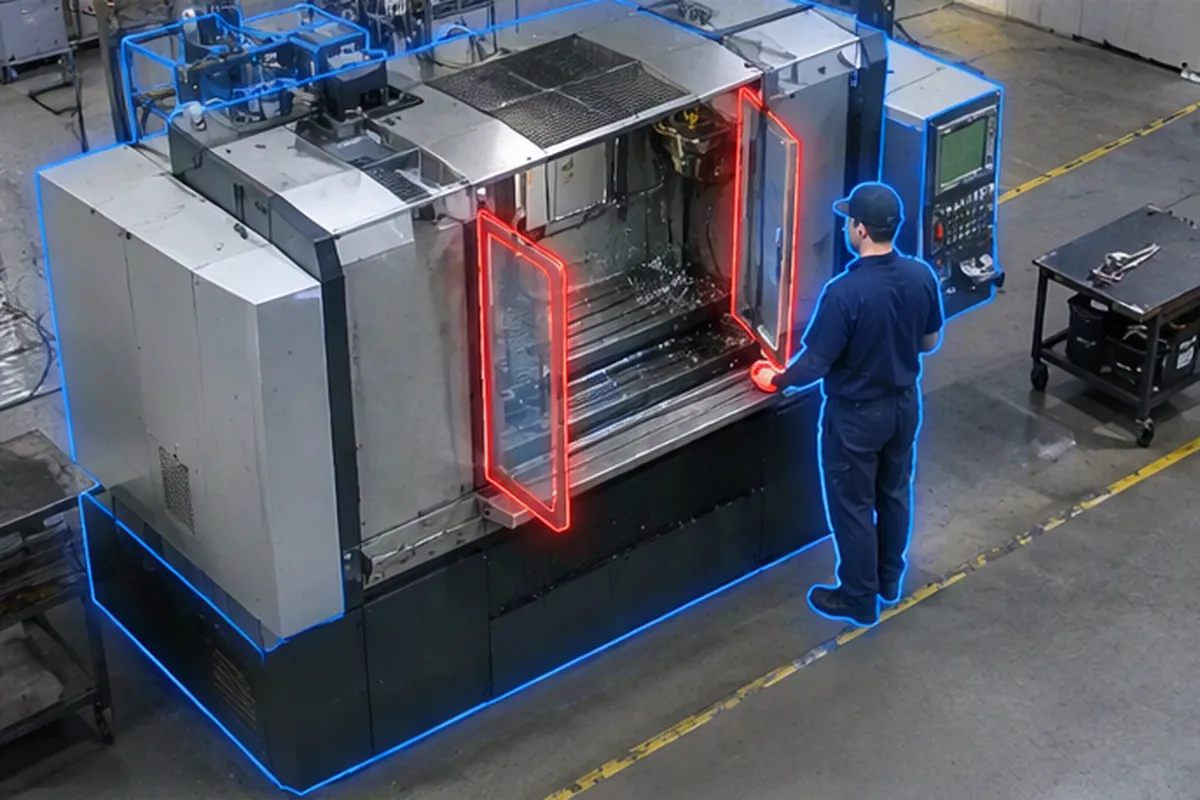
Machine guards left open
Alerts when a guard door or interlocked cover is open while the machine is running.
- Manufacturing
- Automotive
- Steel & Cement
- +1 more

Machine safeguarding detection is computer vision that checks the controls between people and hazardous energy: guards left open while machines run, hands inside danger zones, people in robot cells, tampering at lockout stations, blocked emergency stops and open electrical panels. AURA flags each one as it happens.
Energy Isolation & Machine Safeguarding covers 8 use cases in the SAFVR detection library: Machine guards left open, Hands in machine danger zones, Robot cell breaches, Unauthorised people in machine areas, Lockout station tampering, Blocked emergency stops, Electrical panels open or blocked and Equipment alarm verification.
Machine guards left open
Each use case runs on the cameras you already have, with zones and rules set for each camera view. Use cases marked Camera + sensor also pair the camera with an IoT sensor or wearable.
Alerts when a guard door or interlocked cover is open while the machine is running.
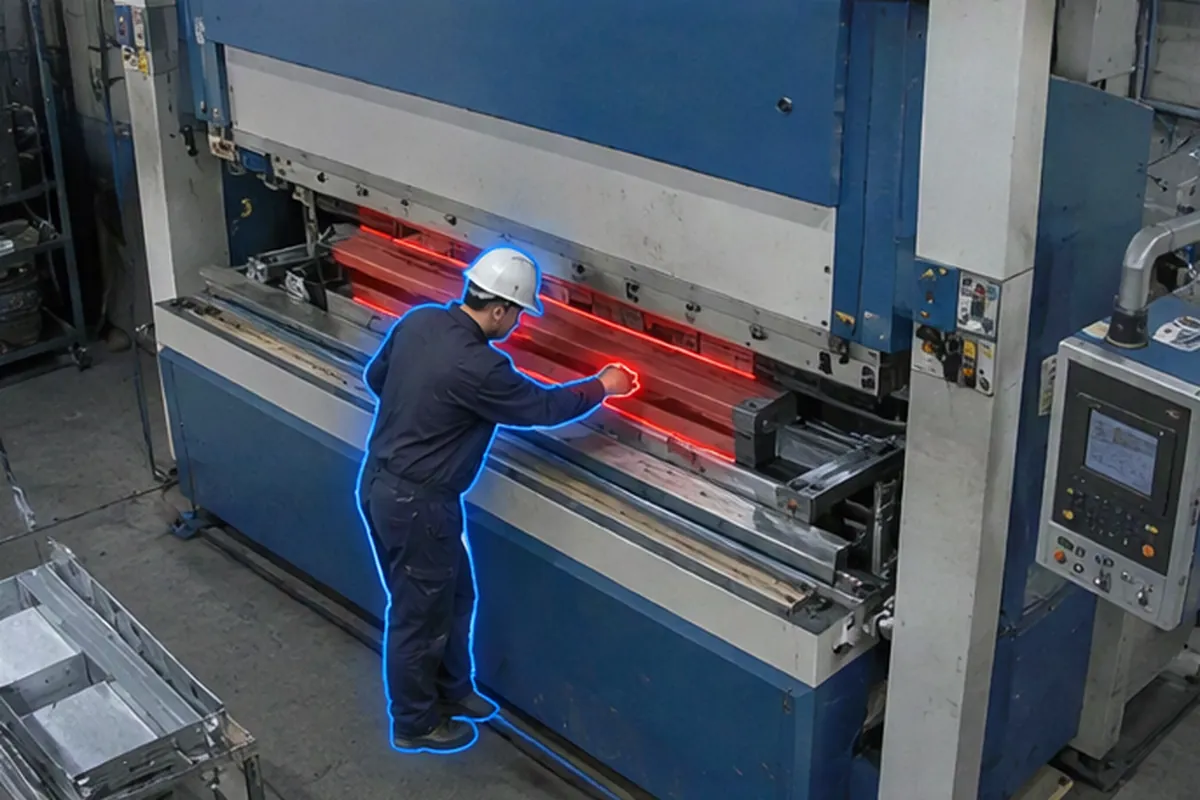
Detects hands or arms reaching into a press, cutter or other point of operation.
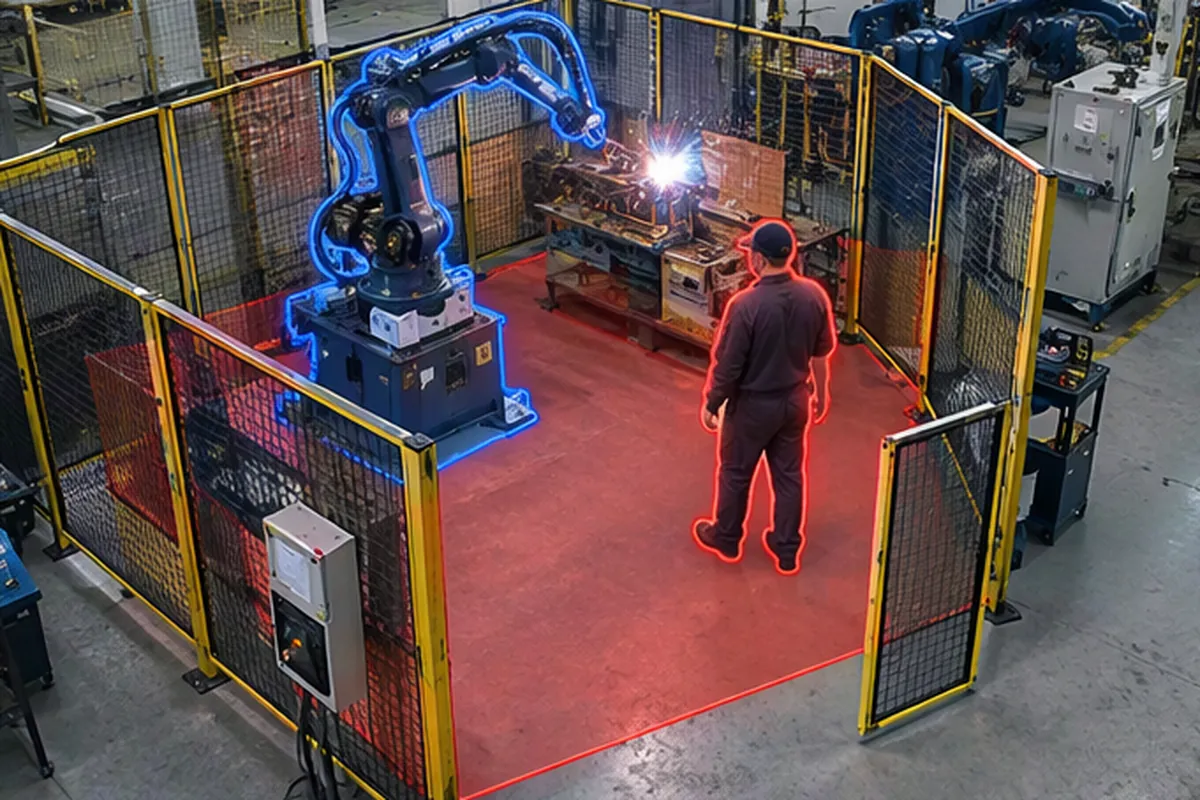
Flags people entering a robotic workcell or getting close to a live robot arm.
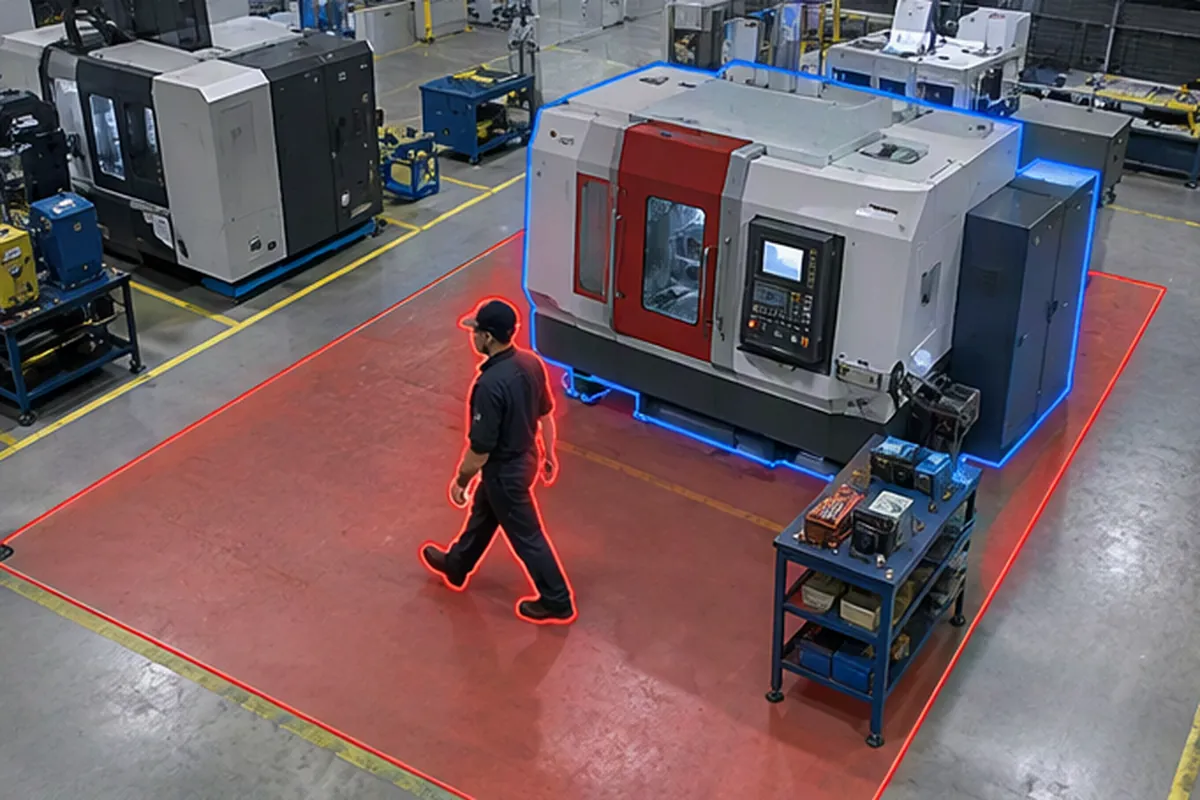
Spots people inside a machine's operating area who have no reason to be there.
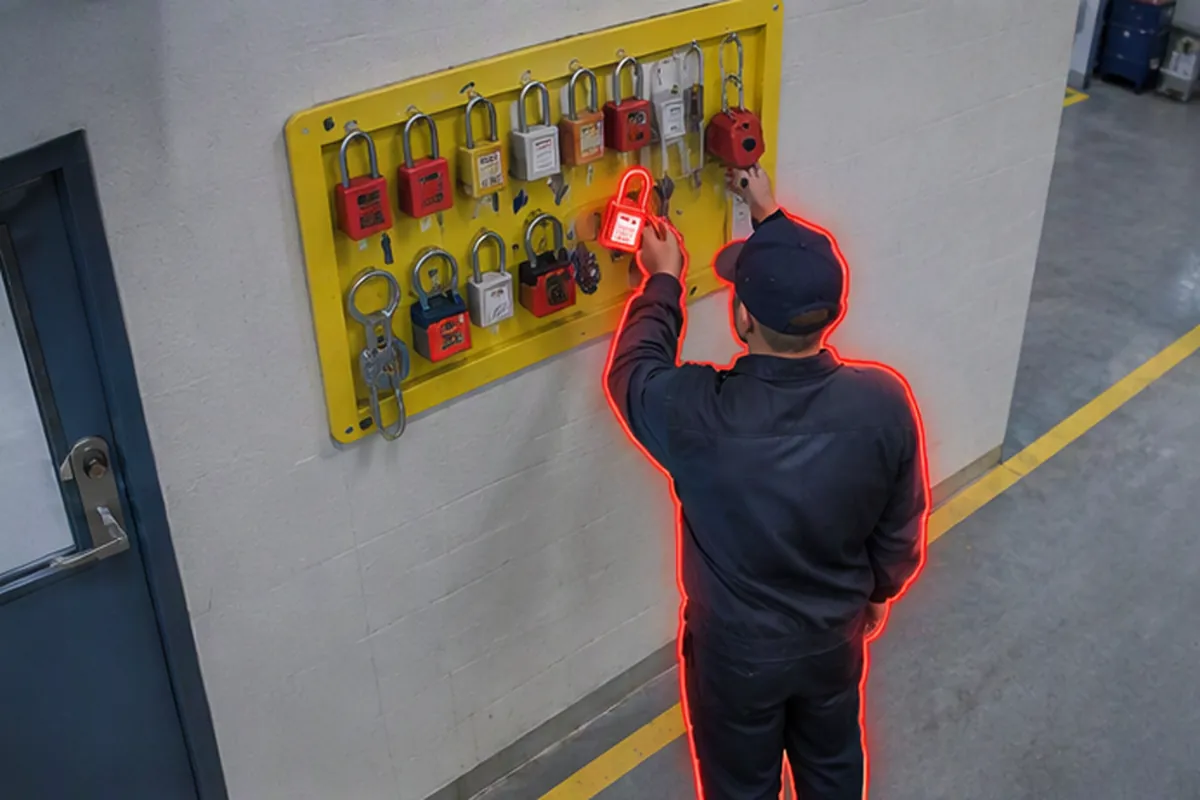
Detects interference with lockout/tagout stations and isolation points.
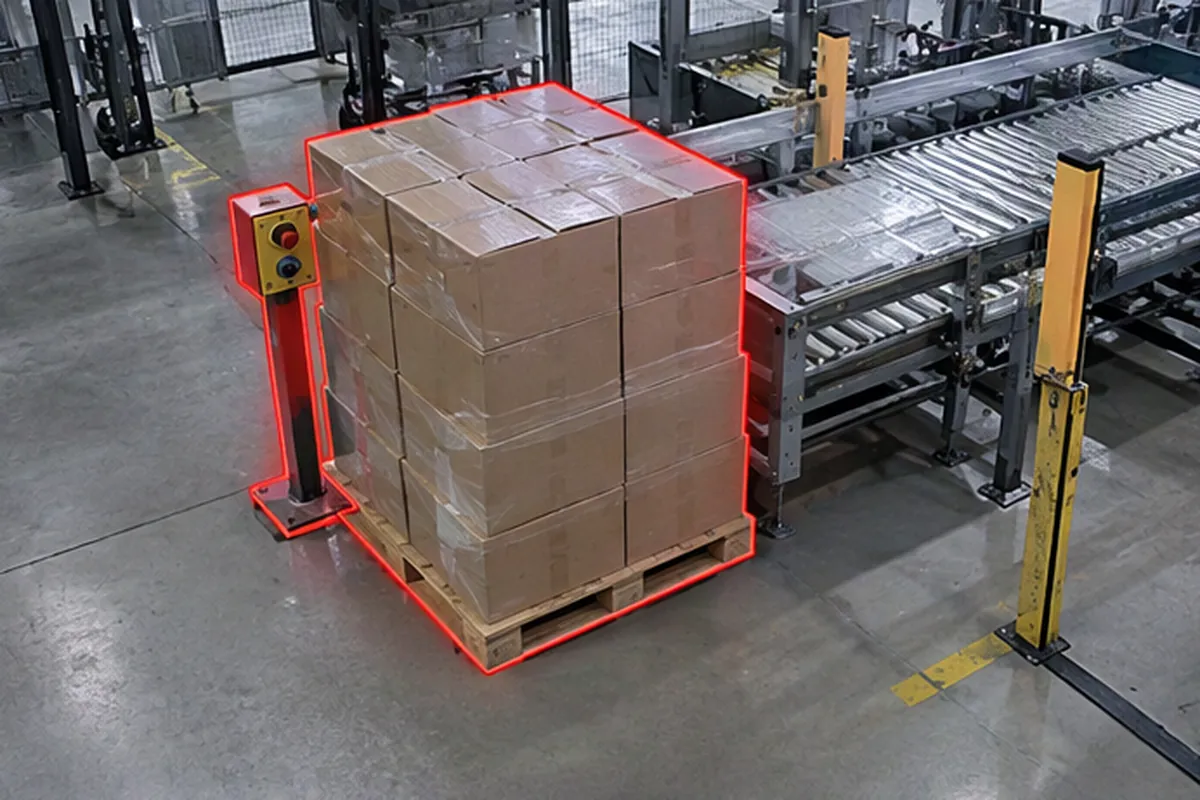
Flags pallets, carts or materials blocking access to an emergency stop.
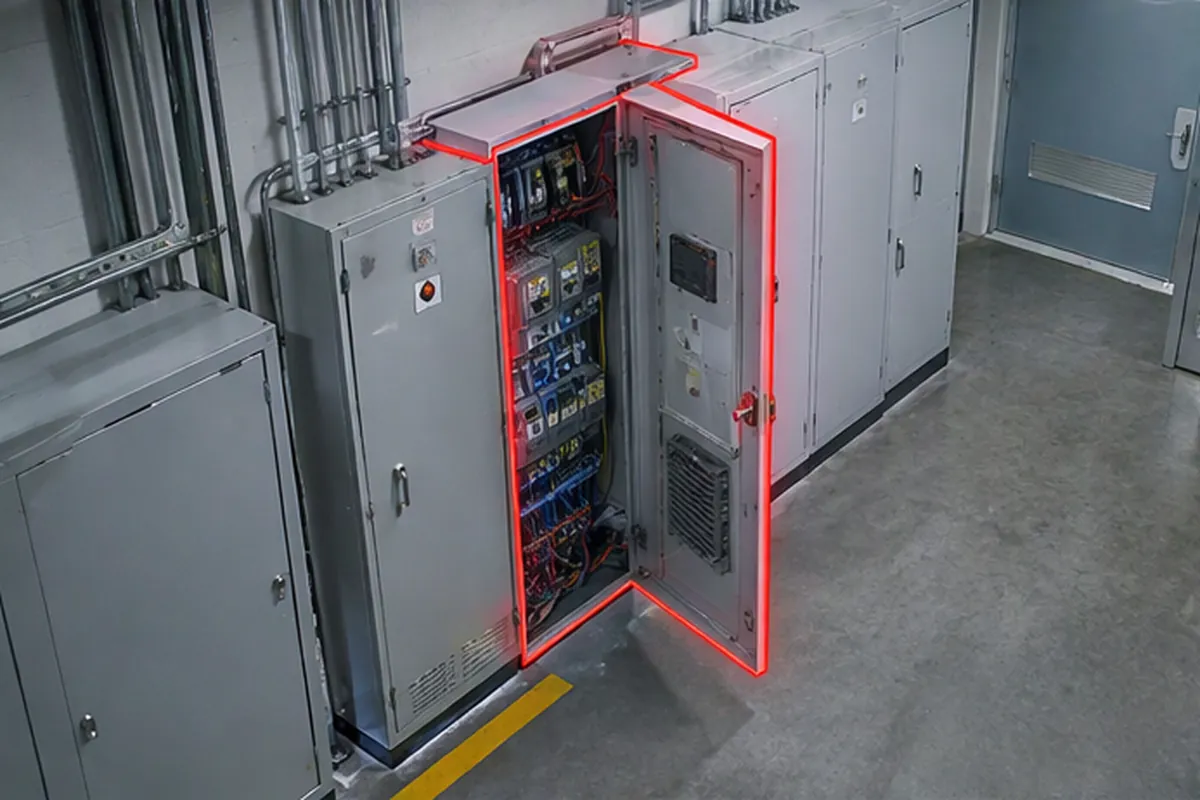
Spots electrical cabinets left open and panels with blocked access.
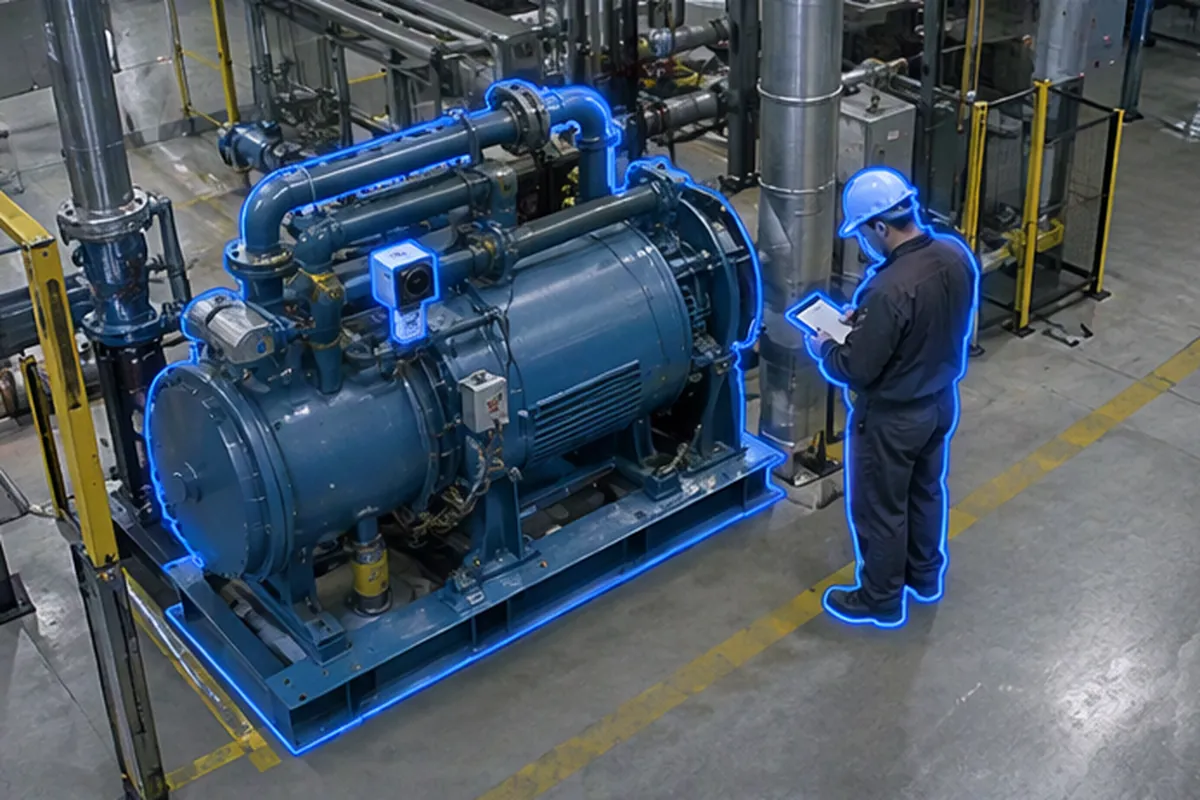
When a vibration, overload or pressure alarm fires, the nearest camera shows what's happening at the asset.
Amputations and crush injuries often happen when a guard is open or an interlock is bypassed to clear a jam or save time. It usually takes seconds.
Lockout/tagout depends on every step being followed. A visual check on isolation points and stations adds a layer that paperwork can't.
Breaches logged by machine, shift and task show where guarding design or maintenance access needs to change.
The same use cases read differently on each kind of site. Open a site type to see how they apply there.
Presses, cutters, packaging machines and CNC cells all have points of operation. Guard, hand and access checks cover them.
Robot cells, welding lines and presses run at speed next to operators. Cell breaches and open guards get flagged immediately.
Packaging lines, tablet presses and fillers have guarded zones that operators reach into to clear jams. Hand and guard checks cover them.
Rolling mills, conveyors and kiln drives need strict isolation before maintenance. AURA watches lockout stations and machine areas.
Crushers and conveyors need isolation before blockages are cleared. Machine-area and lockout checks support that.
Sortation systems, robotic picking cells and electrical panels sit beside busy floors. Cell and panel checks keep them safe.
SAFVR for Warehousing & LogisticsPumps, compressors and switchgear need isolation before work starts. AURA watches isolation points and electrical rooms.
SAFVR for EnergyTemporary distribution boards and site cabins get open-panel and blocked-access checks.
SAFVR for ConstructionGround power units and hangar electrical panels get open-panel and blocked-access checks.
SAFVR for Aviation & AerospaceEvery use case runs inside the AURA loop. A detection is only the start: the value comes from what happens next.
AURA watches each camera for the use cases you switch on, with zones, lines and rules drawn for that view.
Detect on the platformAlerts reach the right person with a snapshot and clip, and become tracked actions that get closed out.
Act on the platformEvents feed micro-training and toolbox talks built from your own footage, so lessons stick.
Improve on the platformTrends by area, shift and task show where risk is building, so you can fix it before the next incident.
Prevent on the platform8 use cases
6 use cases
8 use cases
8 use cases
9 use cases
11 use cases
11 use cases
9 use cases
7 use cases
8 use cases
5 use cases
READY TO SEE IT ON YOUR CAMERAS?
30 days. Your existing CCTV. Nine hazard categories live on day one — PPE, fall risk, vehicle proximity, restricted zones, and more. You see real detections from your floor before you commit to anything beyond the pilot.
No new hardware. Existing IP cameras work. Setup in days.