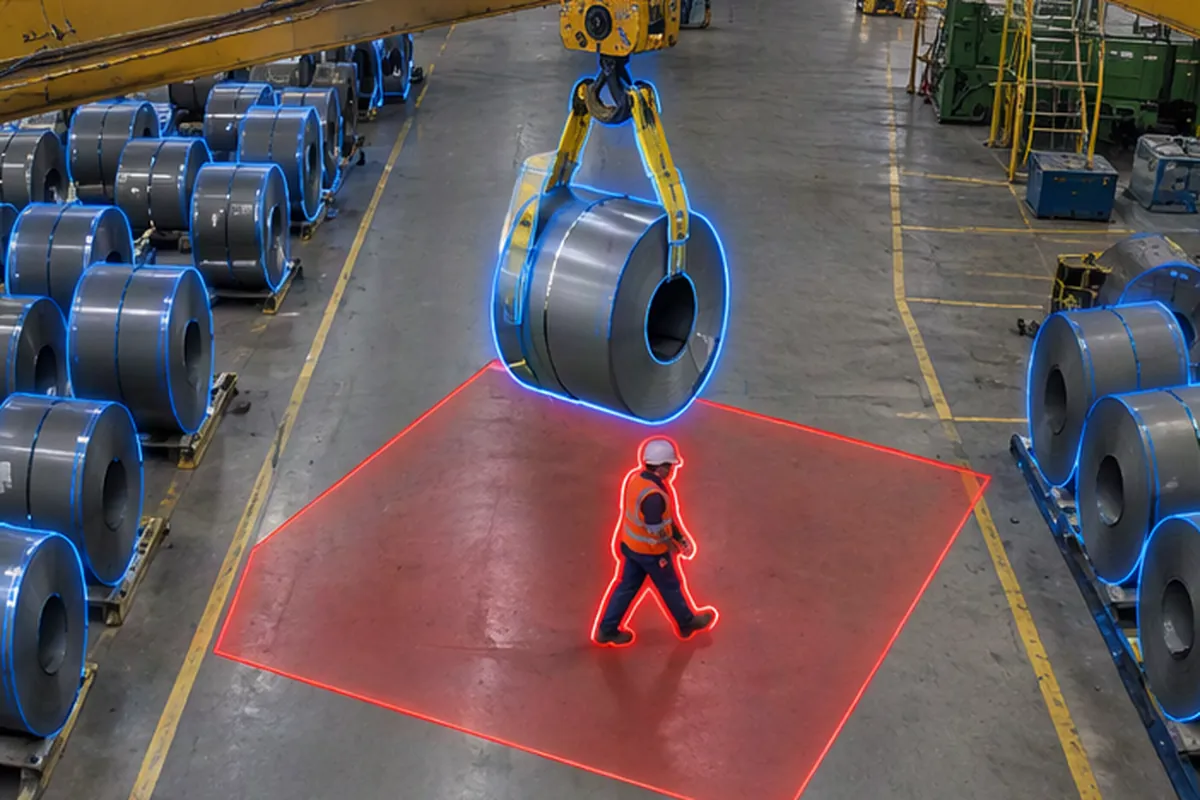
People under suspended loads
Detects anyone walking or working beneath a load hanging from a crane, hoist or forklift.
- Manufacturing
- Automotive
- Steel & Cement
- +4 more

Line-of-fire detection is computer vision that spots people standing where energy could hit them: under a suspended load, inside a crane's swing radius, beside rotating equipment, at a conveyor nip point or below work overhead. AURA flags the exposure while the lift or machine is live, so it can be stopped in time.
Line of Fire & Lifting covers 6 use cases in the SAFVR detection library: People under suspended loads, Crane swing and lift zones, Falling object zones, Conveyor nip points and danger zones, Rotating equipment proximity and Concrete pump hose zones.
People under suspended loads
Each use case runs on the cameras you already have, with zones and rules set for each camera view. Use cases marked Camera + sensor also pair the camera with an IoT sensor or wearable.
Detects anyone walking or working beneath a load hanging from a crane, hoist or forklift.
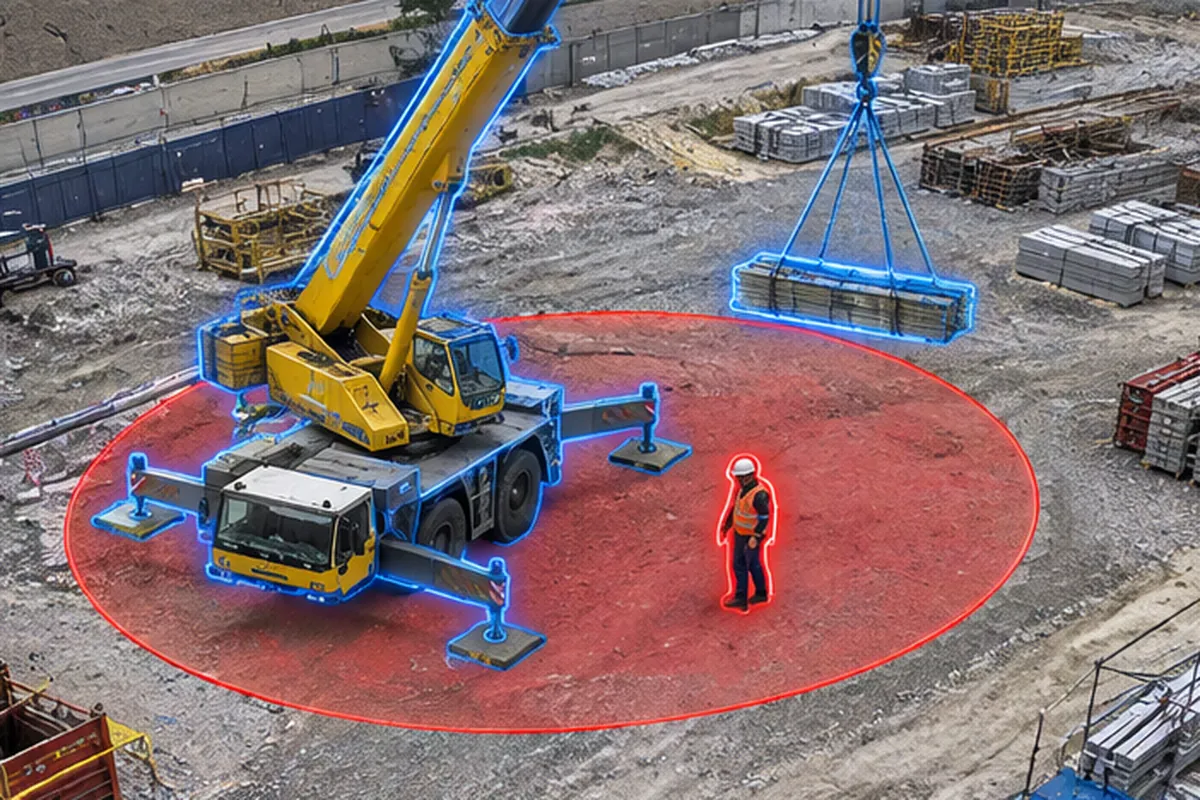
Alerts when people enter the swing radius or exclusion zone of a crane during a lift.
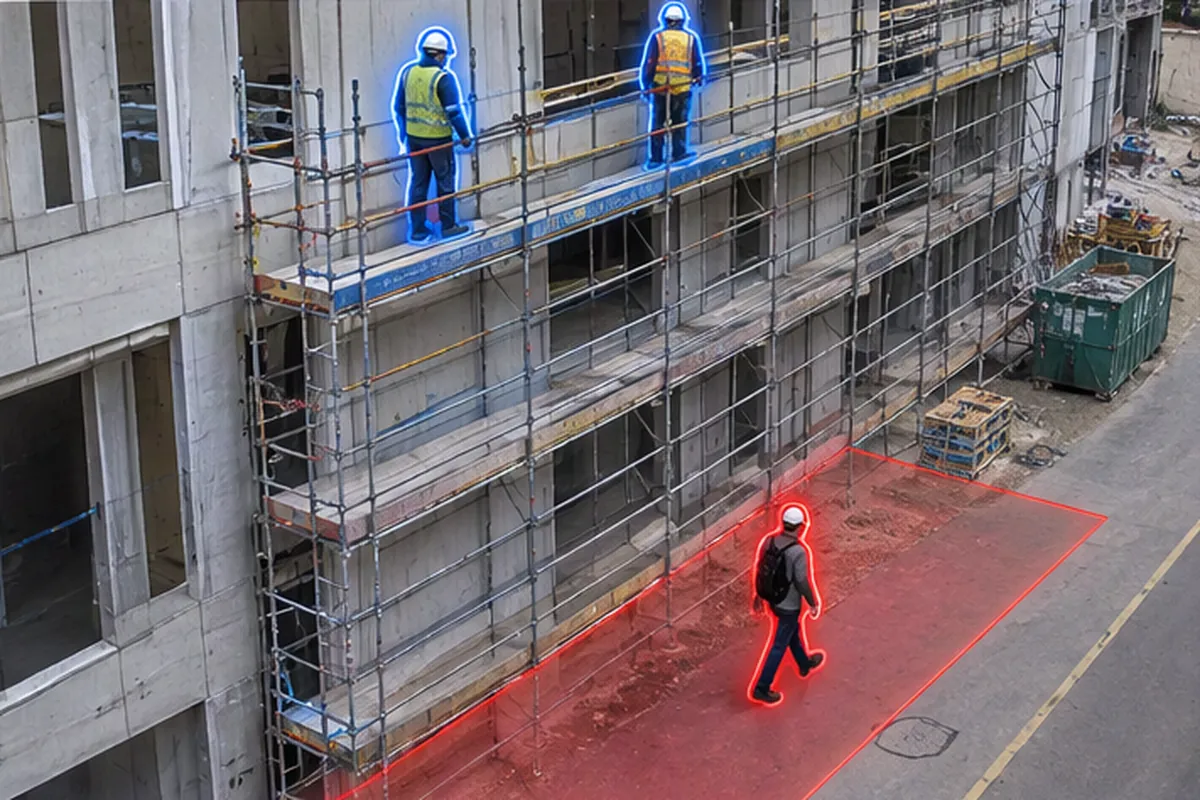
Flags people entering drop zones below work at height, demolition or material handling.
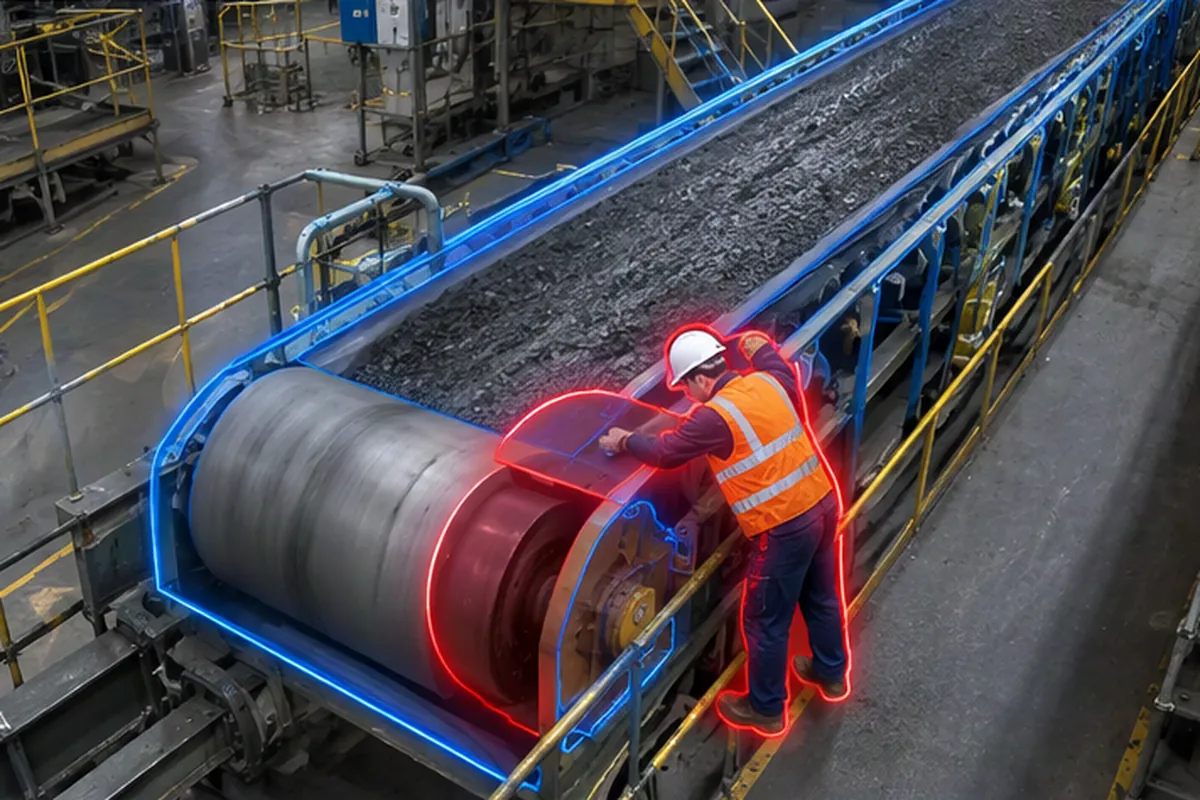
Spots people reaching into or crossing conveyors, transfer points and nip points while the line runs.
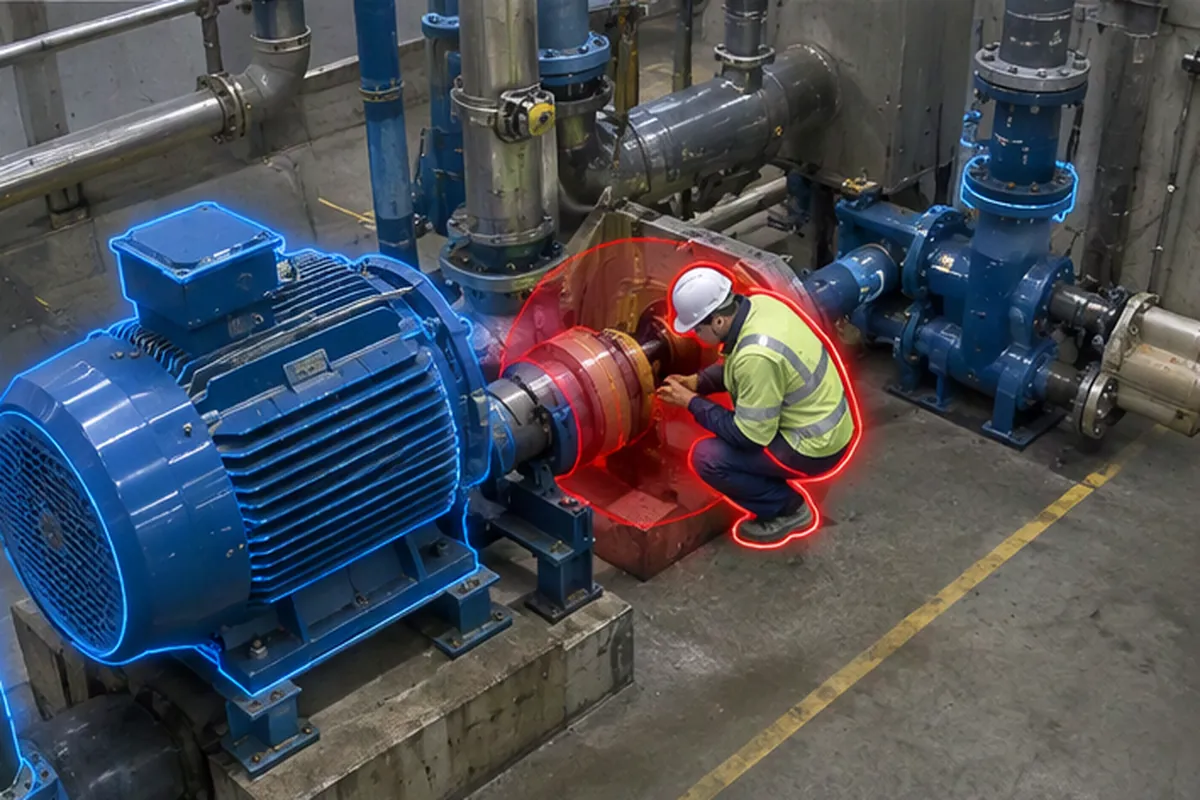
Detects people working too close to shafts, couplings, mixers and other rotating equipment.
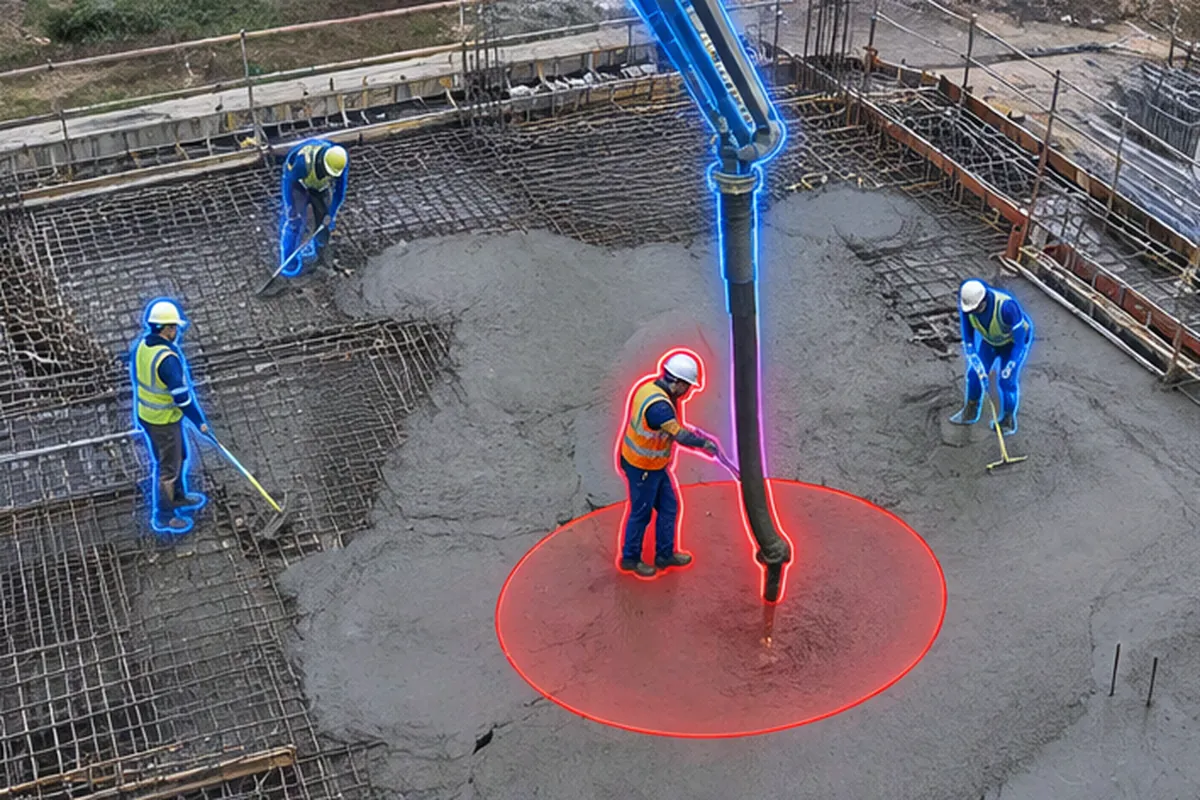
Flags people standing in the whip zone of a concrete pump hose during a pour.
A load swings, a sling slips, an object drops. Being in the wrong place for a few seconds is enough, and a banksman can't watch every side of a lift at once.
On construction sites and in steel shops the lift zone changes with every pick. Zones drawn per camera, and tied to the job where needed, keep up with the work.
Logged exposures show which lifts, shifts and areas pull people into the line of fire, so lift plans and barriers can be fixed.
The same use cases read differently on each kind of site. Open a site type to see how they apply there.
Overhead cranes carry coils, ladles and bundles over working floors. Suspended-load and crane-zone alerts cover the bays where people cross underneath.
Conveyors and rotating plant run around the clock. AURA flags people at nip points and transfer stations, and inside drop zones.
Hoists and overhead cranes lift dies and heavy parts, while conveyors and rotating shafts run beside operators. Line-of-fire alerts cover both.
Tower and mobile crane lifts, concrete pumping and work overhead create drop and swing zones that change daily. AURA flags people walking into them.
SAFVR for ConstructionHeavy lifts during shutdowns and turnarounds bring cranes into live plants. Swing and drop zones are watched for anyone straying inside.
Forklifts raise pallets to high racking and conveyors move parcels at speed. People under raised loads or reaching into conveyors get flagged.
SAFVR for Warehousing & LogisticsMixers, centrifuges and packaging lines have rotating parts close to operators. Proximity rules flag hands and bodies in the danger zone.
SAFVR for Pharma & Life SciencesHoists and overhead conveyors move bodies and heavy assemblies above the line. Suspended-load zones protect the people working below.
SAFVR for AutomotiveBaggage conveyors and belt loaders run beside ramp crews. AURA flags people reaching into or standing on moving conveyors.
SAFVR for Aviation & AerospaceEvery use case runs inside the AURA loop. A detection is only the start: the value comes from what happens next.
AURA watches each camera for the use cases you switch on, with zones, lines and rules drawn for that view.
Detect on the platformAlerts reach the right person with a snapshot and clip, and become tracked actions that get closed out.
Act on the platformEvents feed micro-training and toolbox talks built from your own footage, so lessons stick.
Improve on the platformTrends by area, shift and task show where risk is building, so you can fix it before the next incident.
Prevent on the platform8 use cases
8 use cases
8 use cases
8 use cases
9 use cases
11 use cases
11 use cases
9 use cases
7 use cases
8 use cases
5 use cases
READY TO SEE IT ON YOUR CAMERAS?
30 days. Your existing CCTV. Nine hazard categories live on day one — PPE, fall risk, vehicle proximity, restricted zones, and more. You see real detections from your floor before you commit to anything beyond the pilot.
No new hardware. Existing IP cameras work. Setup in days.