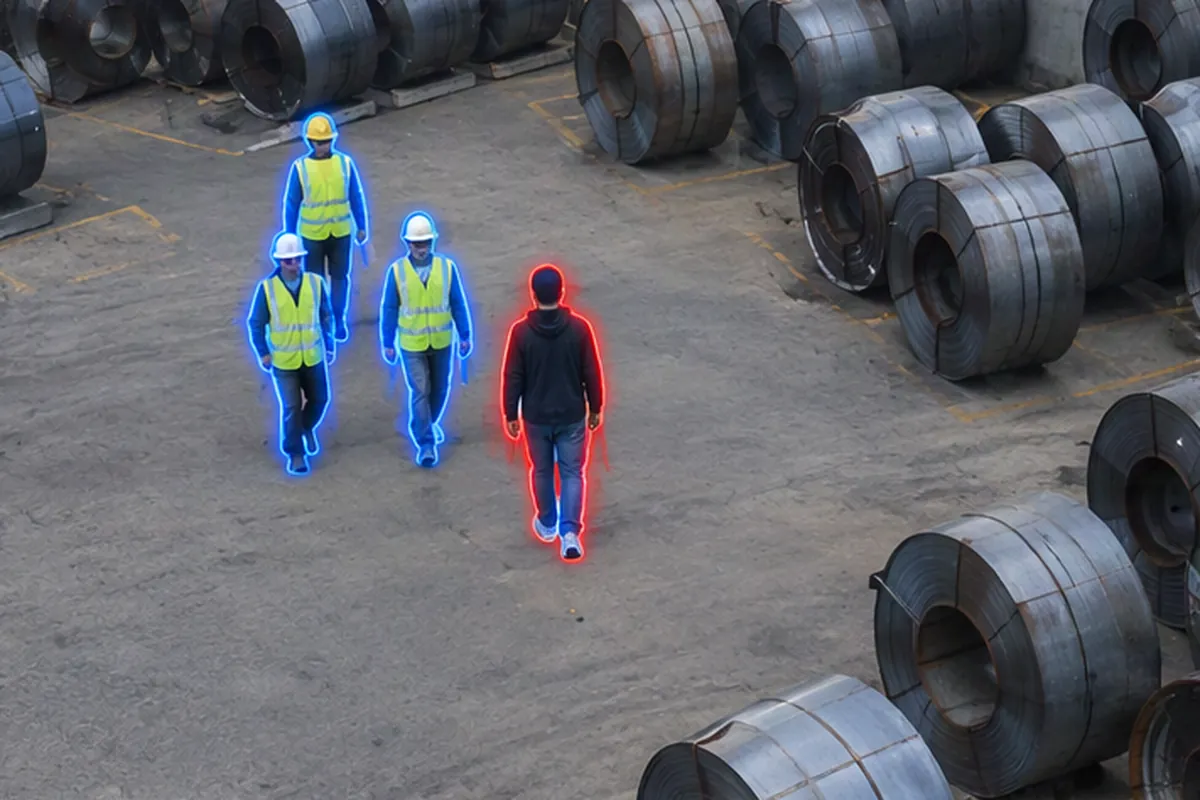
Hard hats
Detects people without a hard hat in areas that require head protection.
- All site types

PPE detection is computer vision that checks whether people wear the protective equipment each area requires: hard hats, hi-vis, eye and face protection, respirators, gloves, safety footwear, hearing protection and the right workwear. Rules are set per zone, so a welding bay and a warehouse aisle each check for what they need.
PPE Compliance covers 9 use cases in the SAFVR detection library: Hard hats, High-visibility clothing, Eye and face protection, Respiratory protection, Gloves, Safety footwear, Hearing protection, Protective workwear and Hot work PPE.
Hard hats
Each use case runs on the cameras you already have, with zones and rules set for each camera view. Use cases marked Camera + sensor also pair the camera with an IoT sensor or wearable.
Detects people without a hard hat in areas that require head protection.
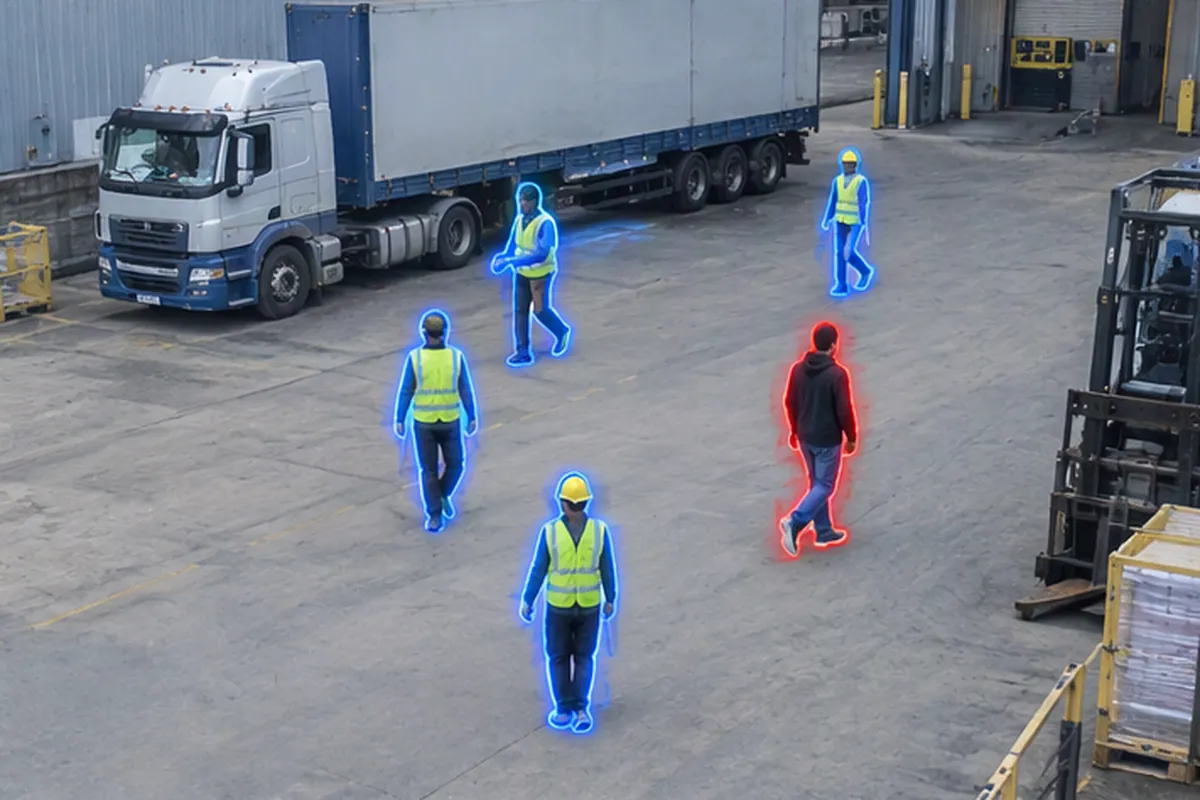
Checks for hi-vis vests or jackets wherever people share space with vehicles.
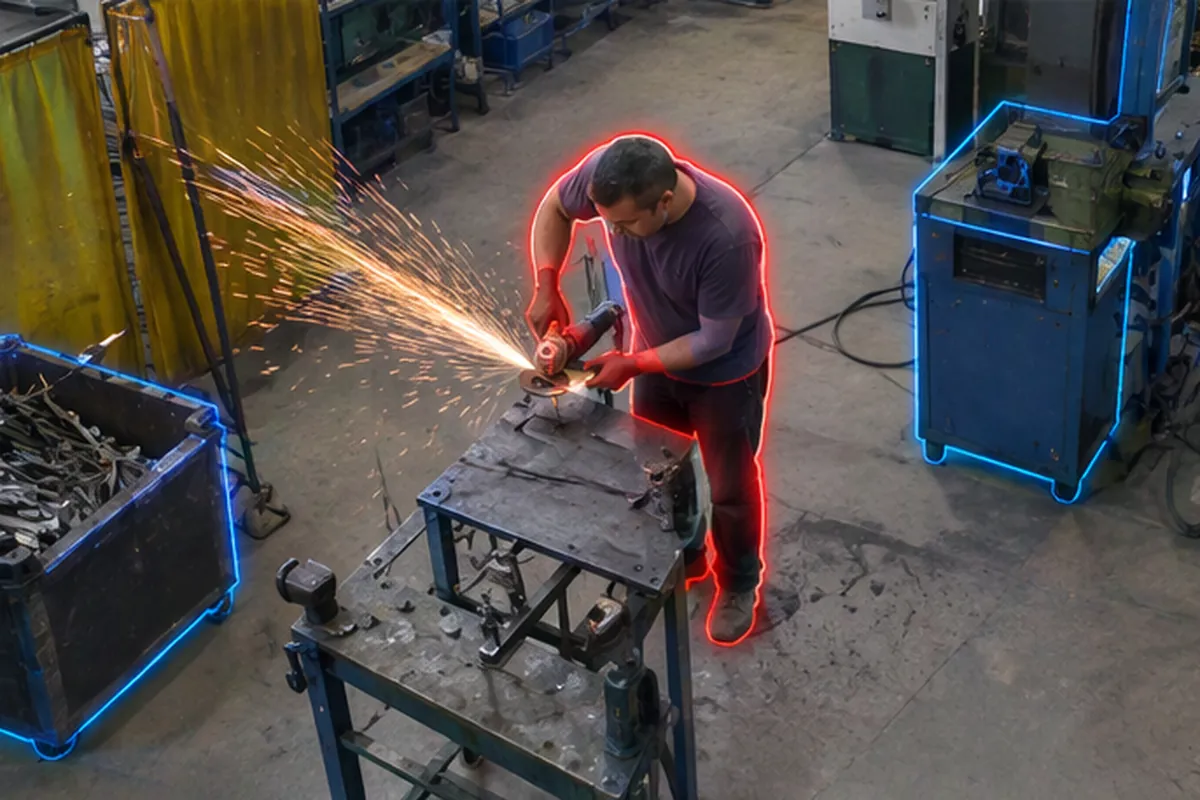
Checks for safety glasses, goggles, face shields and welding shields, including during grinding.
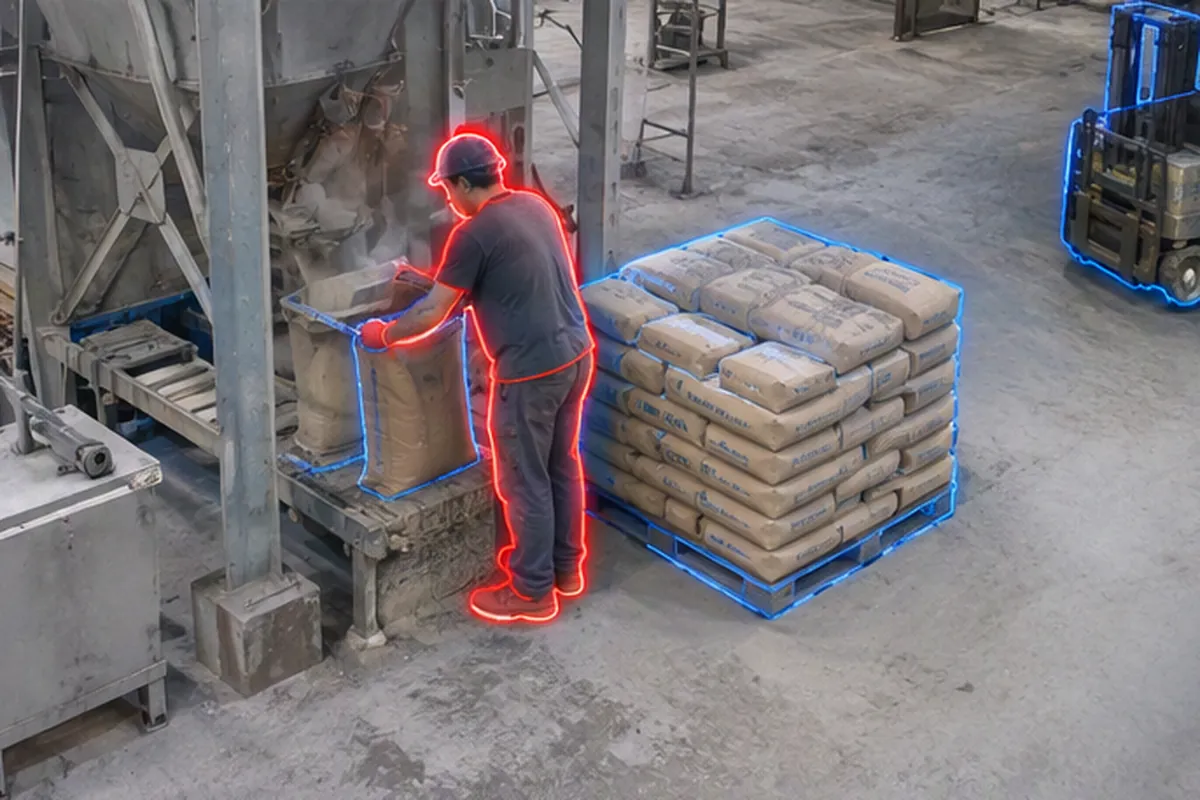
Detects missing masks and respirators in dusty, fume-heavy or clean areas.
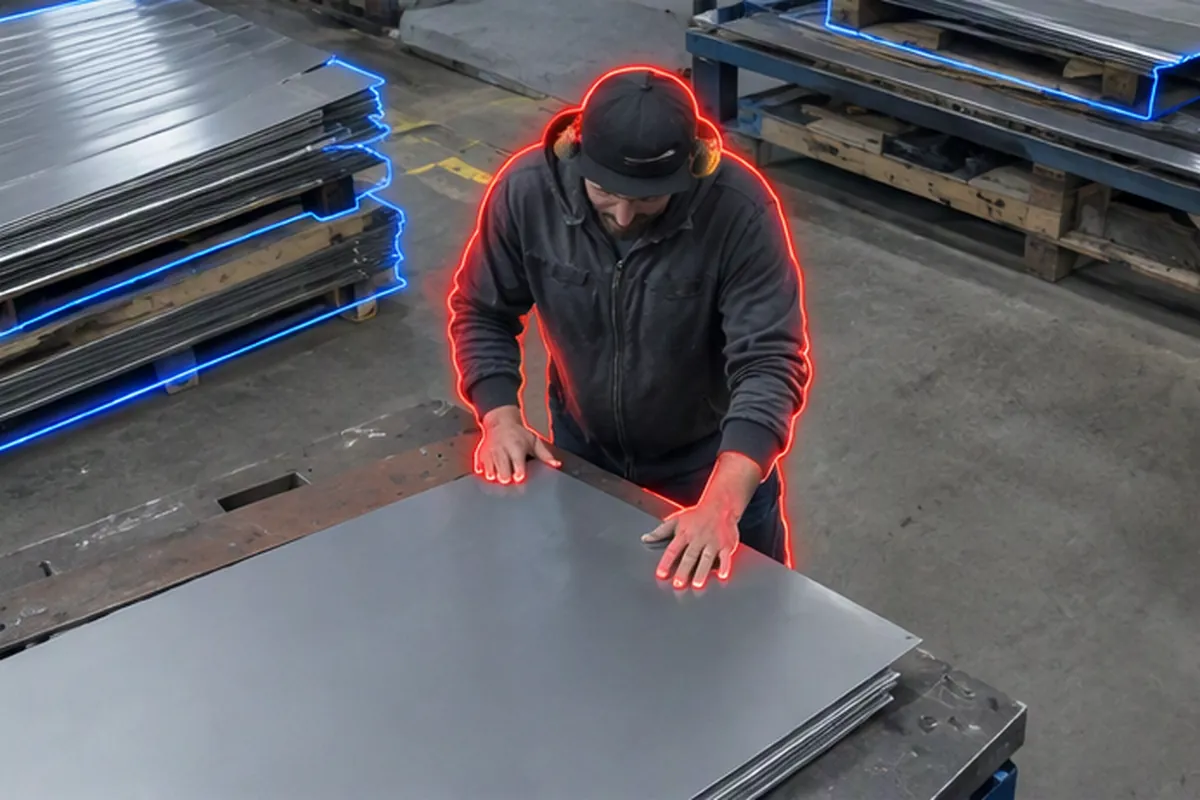
Checks that gloves are worn for tasks with cut, heat, chemical or hygiene risk.
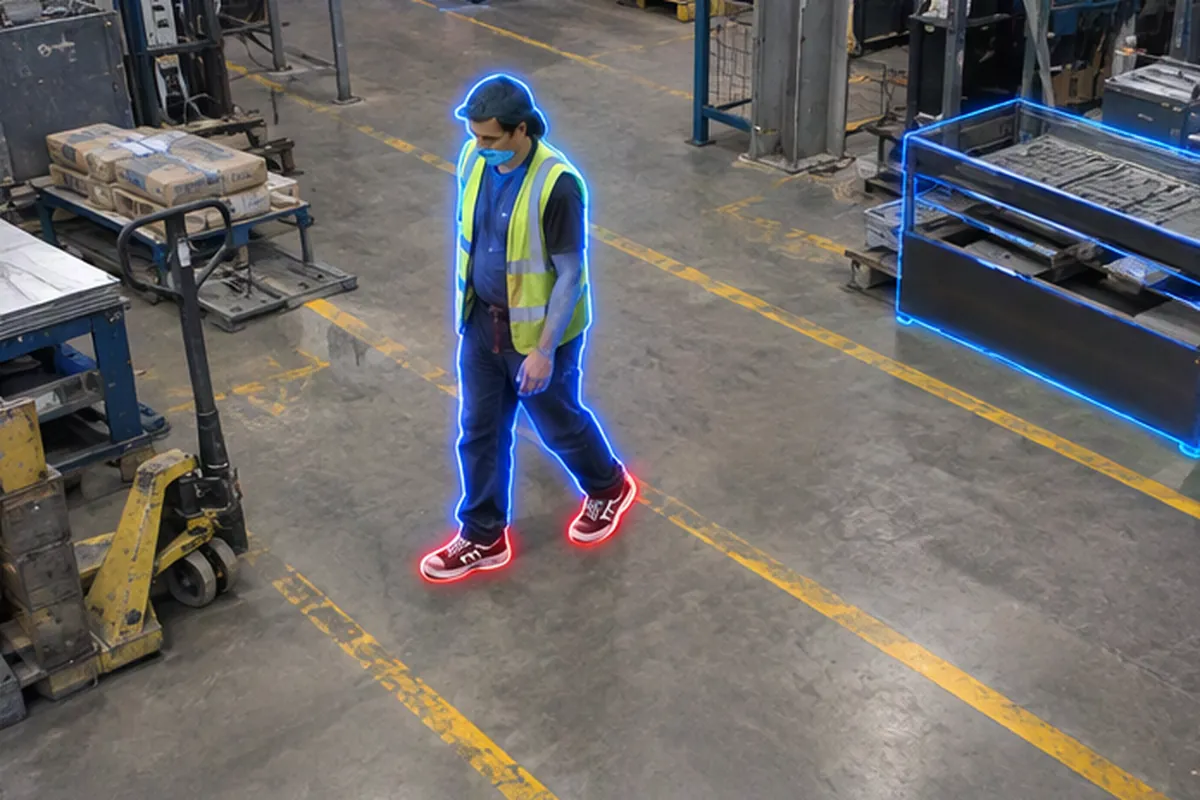
Flags people without safety shoes or boots in areas that require them.
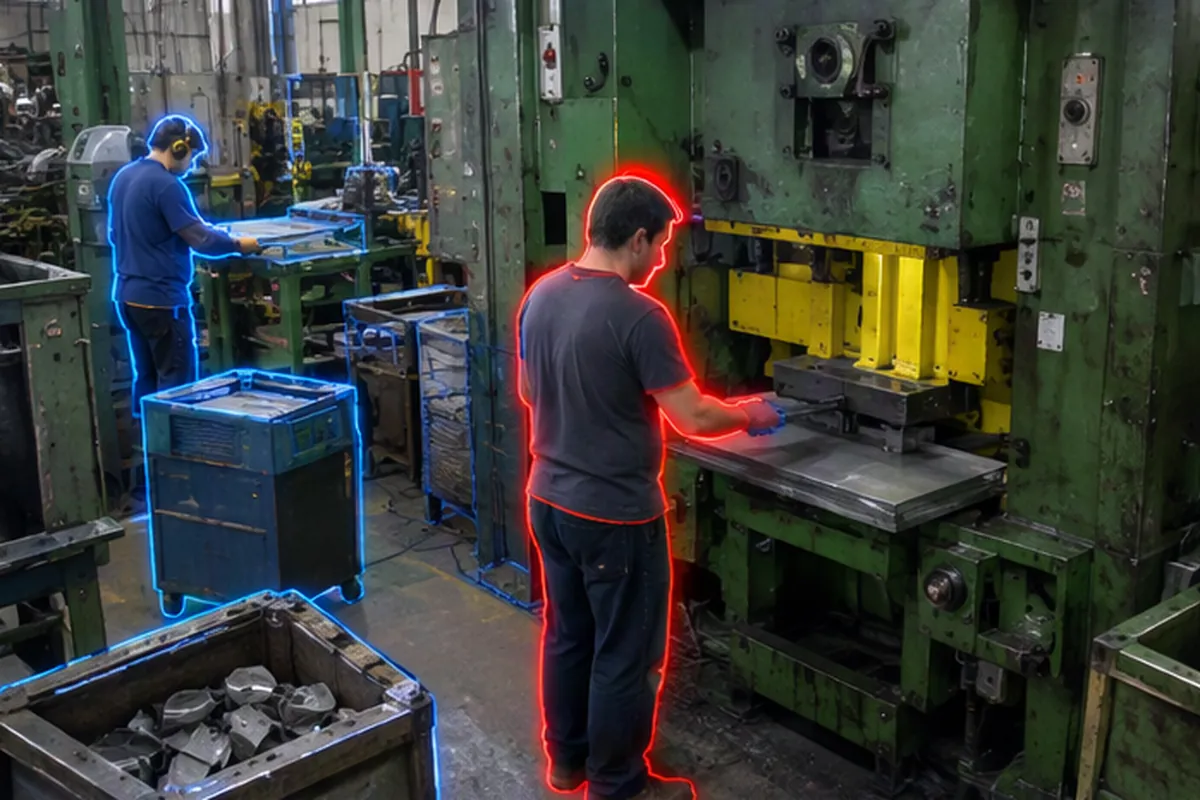
Checks for ear muffs or plugs in high-noise zones, and can pair with noise sensors.
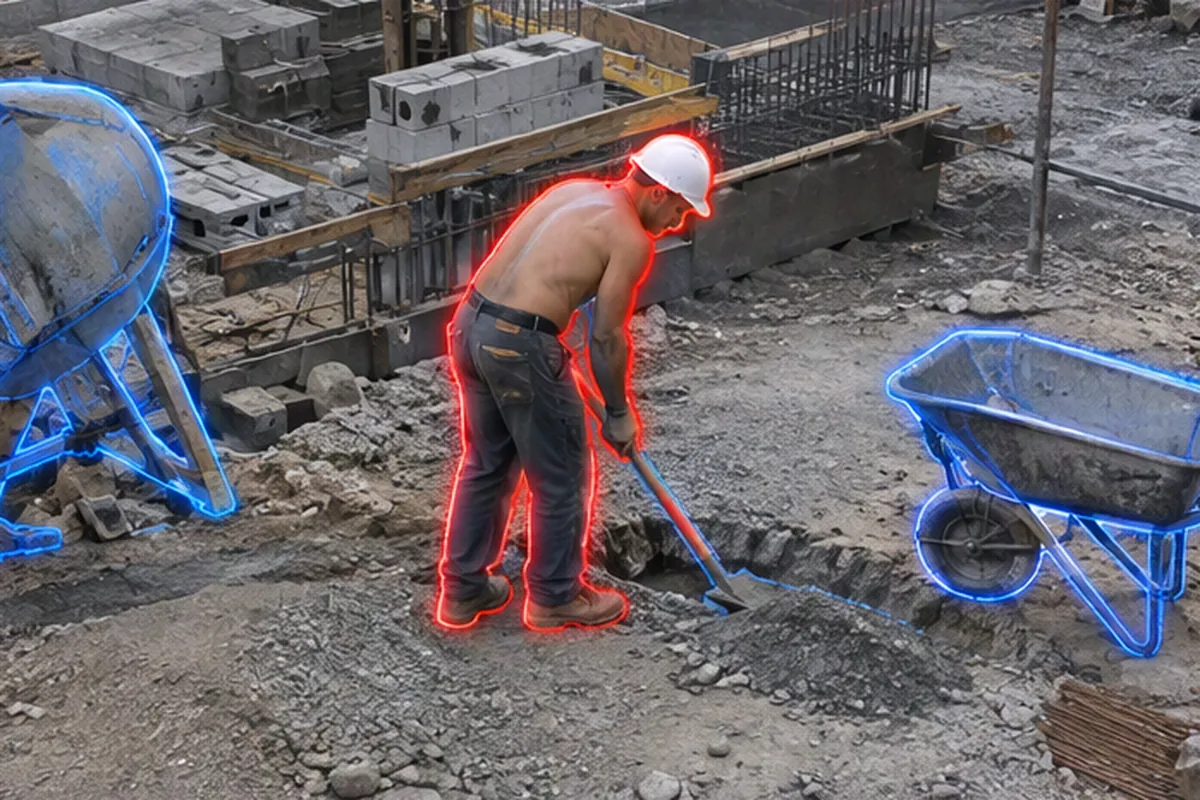
Checks that the right coveralls or work clothes are worn, and flags people working shirtless.
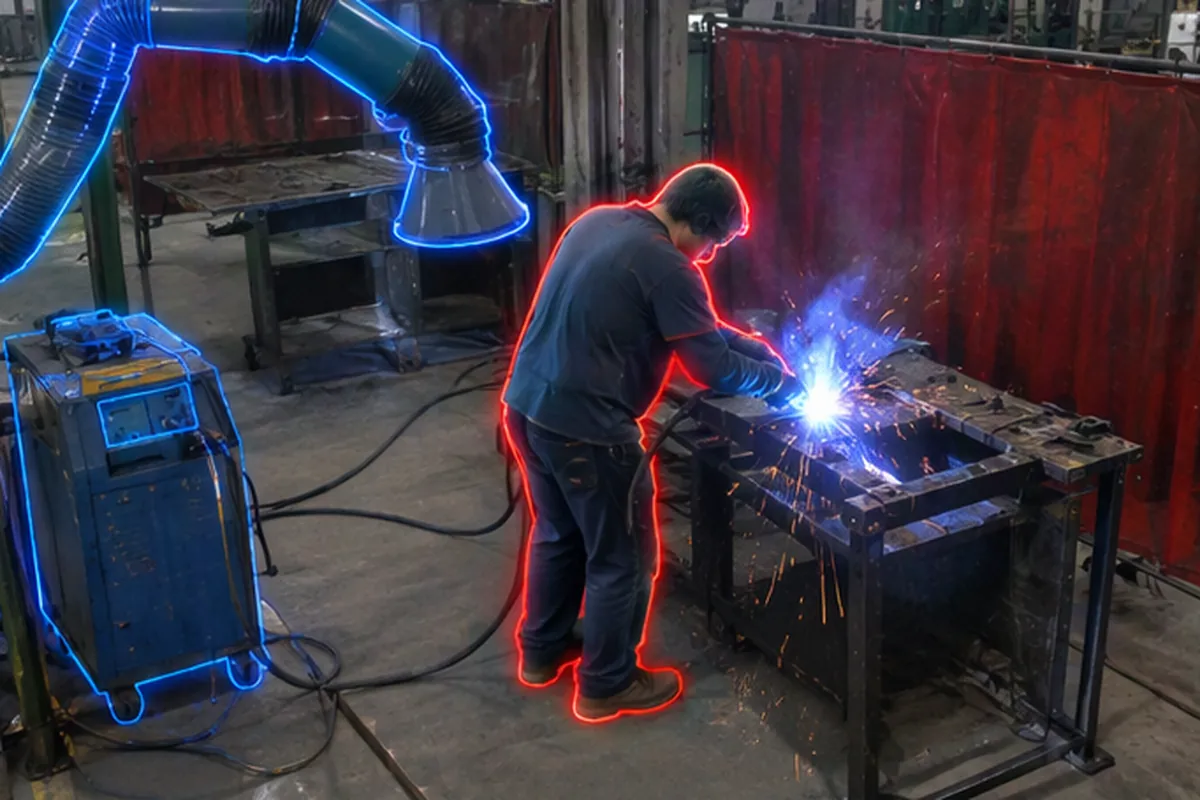
Checks the full PPE set for welding, cutting and furnace work.
When other controls fail, PPE is what's left. A missing hard hat or face shield turns a minor event into a serious one.
Supervisors can't watch every entrance and workstation. Continuous checks show real compliance, not what happens when someone is watching.
Clips of real moments make better coaching than a list of rules, and trends show where PPE is uncomfortable or hard to get.
The same use cases read differently on each kind of site. Open a site type to see how they apply there.
Different lines need different PPE: face shields at grinding, gloves at cutting, hearing protection in press shops. Zone rules check each.
Body shop, paint shop and assembly each need their own PPE set. AURA checks them by area.
Heat-resistant workwear, face shields, respirators and hearing protection are needed around furnaces, mills and kilns.
Hard hats, hi-vis, gloves and boots are site-wide rules, with eye protection and respirators for cutting and grinding.
Flame-resistant clothing, hard hats and eye protection are standard in process areas, with extra PPE during hot work.
Hard hats, hi-vis, respirators and hearing protection are essential around plant and haul roads.
Gloves, masks, eye protection and the right garments protect operators and the product.
Hi-vis and hearing protection are essential on the ramp, where engines and ground equipment run close to crews.
SAFVR for Aviation & AerospaceHi-vis and safety shoes are the baseline wherever people share space with forklifts.
SAFVR for Warehousing & LogisticsEvery use case runs inside the AURA loop. A detection is only the start: the value comes from what happens next.
AURA watches each camera for the use cases you switch on, with zones, lines and rules drawn for that view.
Detect on the platformAlerts reach the right person with a snapshot and clip, and become tracked actions that get closed out.
Act on the platformEvents feed micro-training and toolbox talks built from your own footage, so lessons stick.
Improve on the platformTrends by area, shift and task show where risk is building, so you can fix it before the next incident.
Prevent on the platform8 use cases
6 use cases
8 use cases
8 use cases
8 use cases
11 use cases
11 use cases
9 use cases
7 use cases
8 use cases
5 use cases
READY TO SEE IT ON YOUR CAMERAS?
30 days. Your existing CCTV. Nine hazard categories live on day one — PPE, fall risk, vehicle proximity, restricted zones, and more. You see real detections from your floor before you commit to anything beyond the pilot.
No new hardware. Existing IP cameras work. Setup in days.