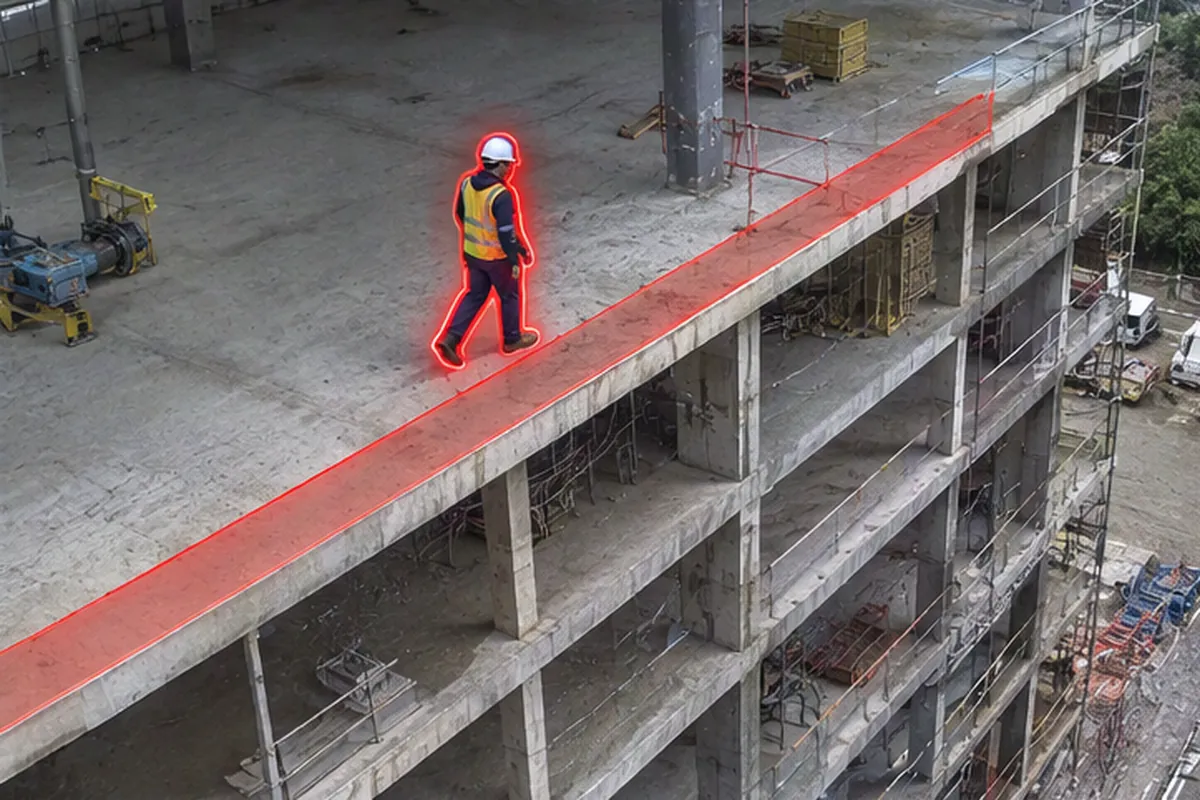
Unprotected edges
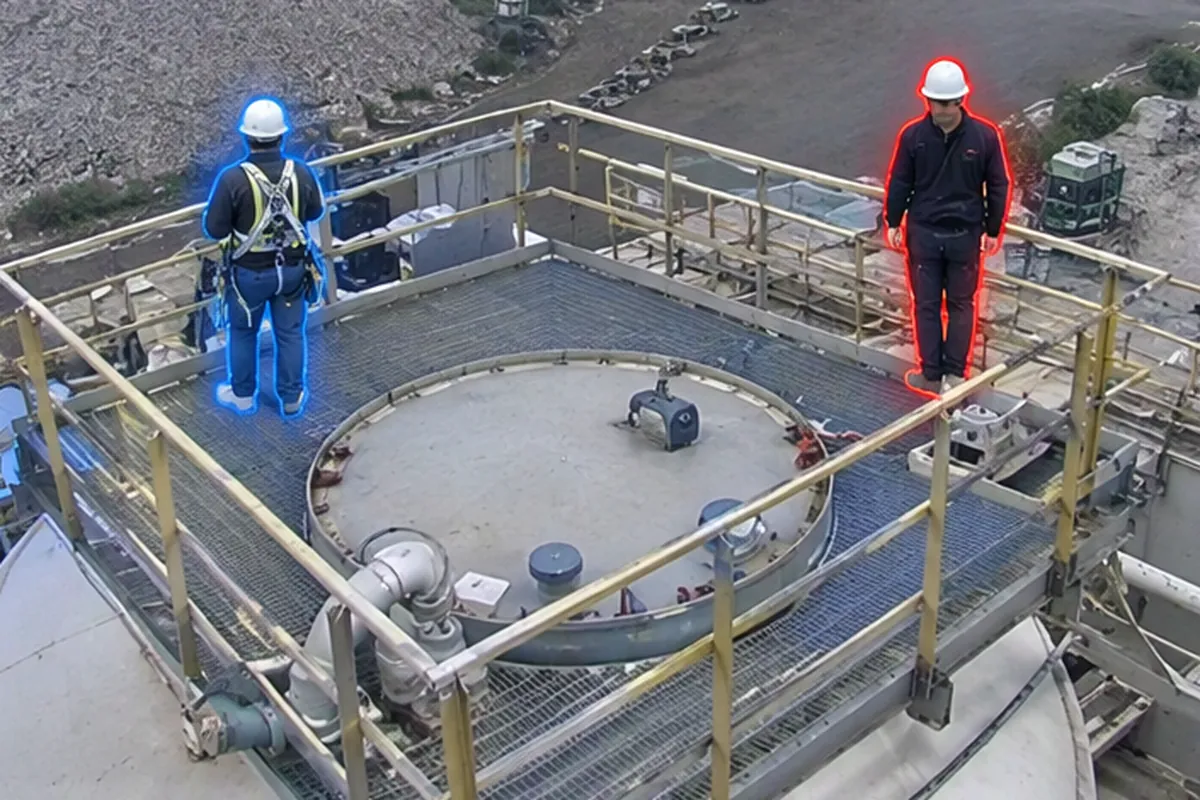
Flags people near open edges, floor openings and roof edges without guardrails.
- Manufacturing
- Steel & Cement
- Construction
- +2 more

Working-at-height detection is computer vision that looks for the conditions behind falls: people near unprotected edges, scaffolds missing guardrails, ladders at unsafe angles, missing harnesses, open trenches and pits left without barricades. AURA flags them while the work is under way.
Work at Height & Excavations covers 8 use cases in the SAFVR detection library: Unprotected edges, Scaffold guardrails, Unsafe ladder setup, Unsafe climbing, Fall-arrest harness, Open trenches and excavation edges, Missing barricades and Dump, berm and stockpile edges.
Unprotected edges
Each use case runs on the cameras you already have, with zones and rules set for each camera view. Use cases marked Camera + sensor also pair the camera with an IoT sensor or wearable.
Flags people near open edges, floor openings and roof edges without guardrails.
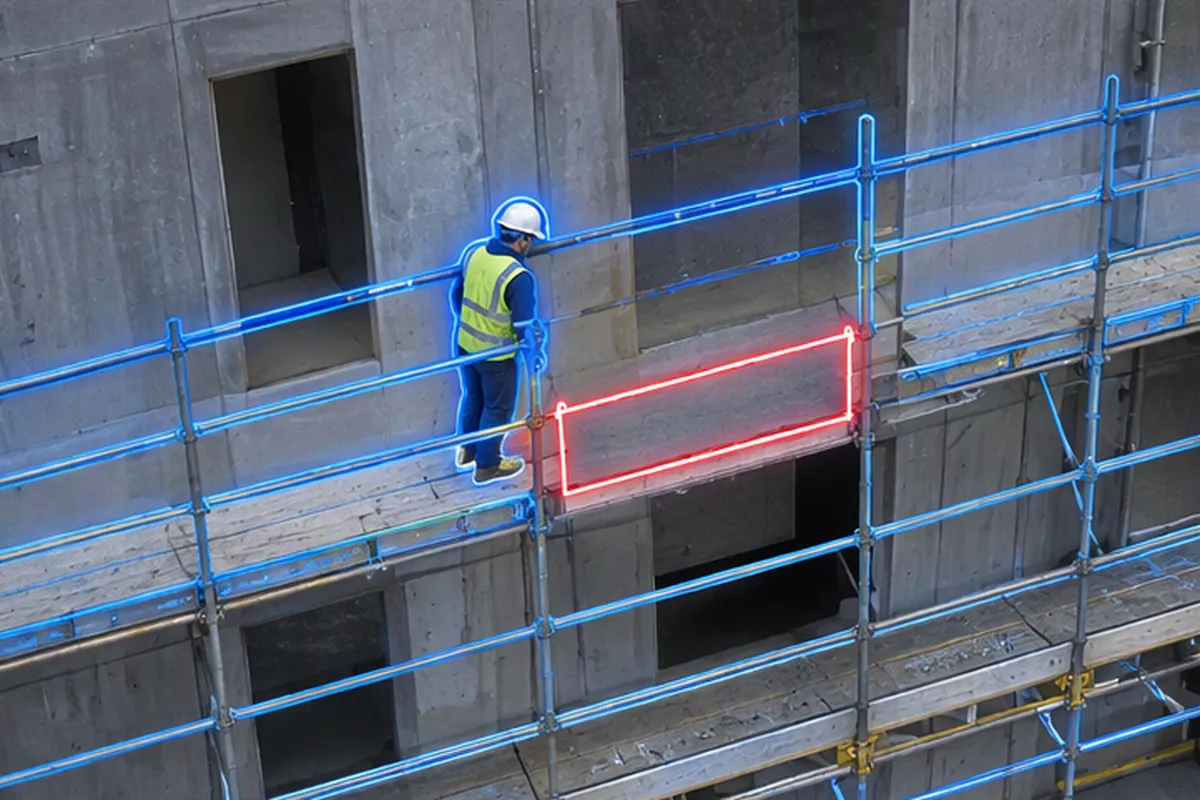
Spots scaffold platforms with missing guardrails while people are working on them.
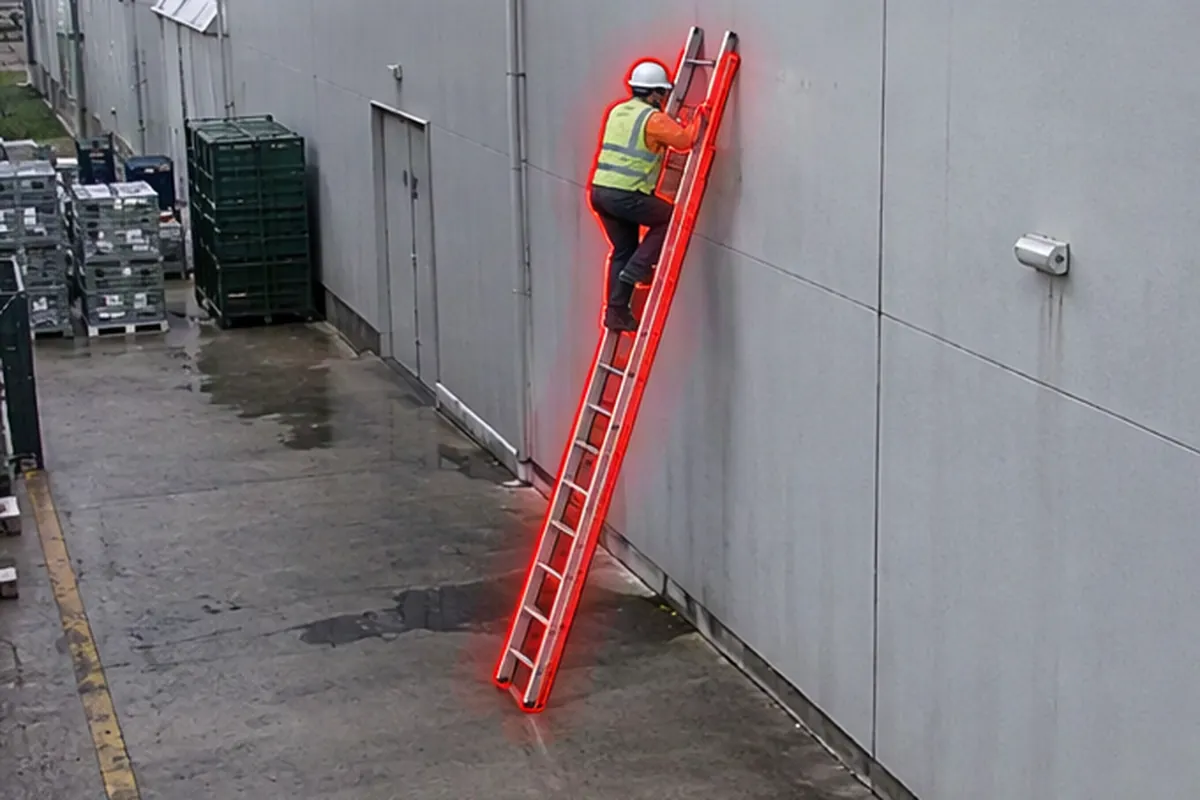
Flags ladders set up at an unsafe angle before and while someone climbs them.
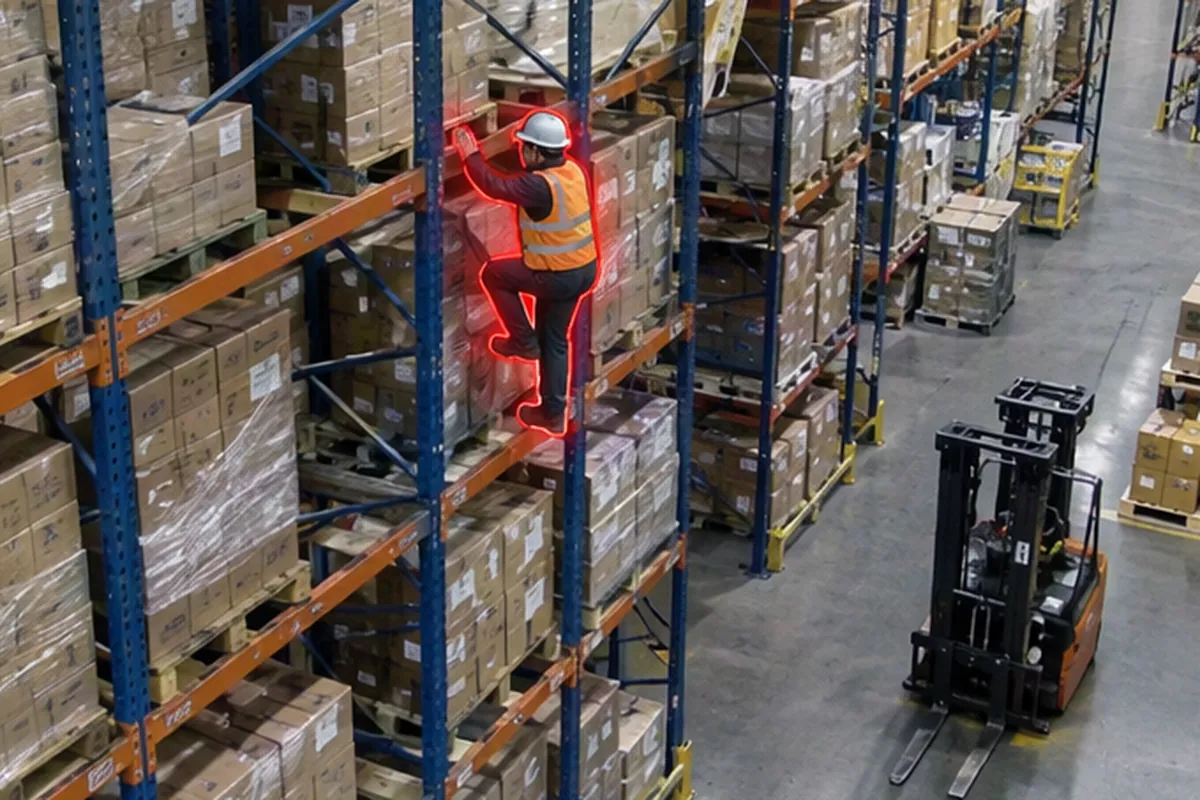
Detects people climbing racking, scaffold frames or machinery instead of using proper access.
Checks that people working at height wear a harness or safety belt.
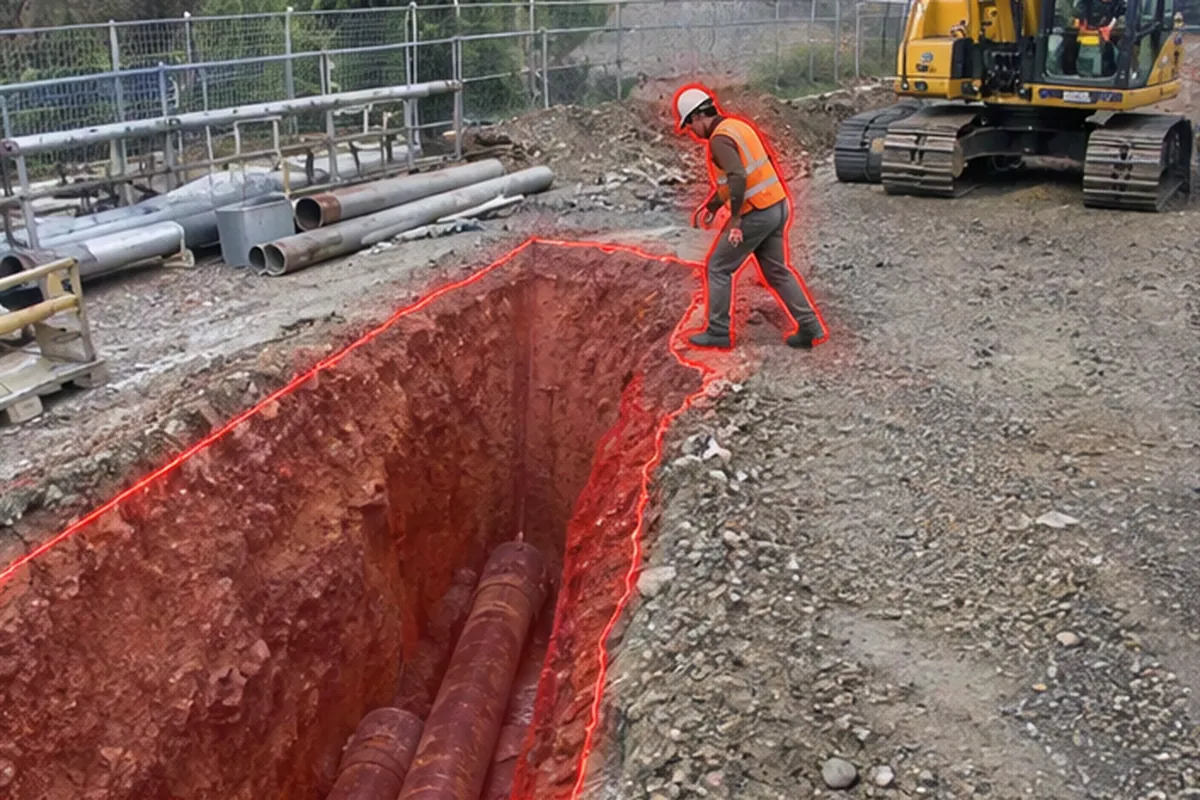
Alerts when people enter an open trench or stand too close to an excavation edge.
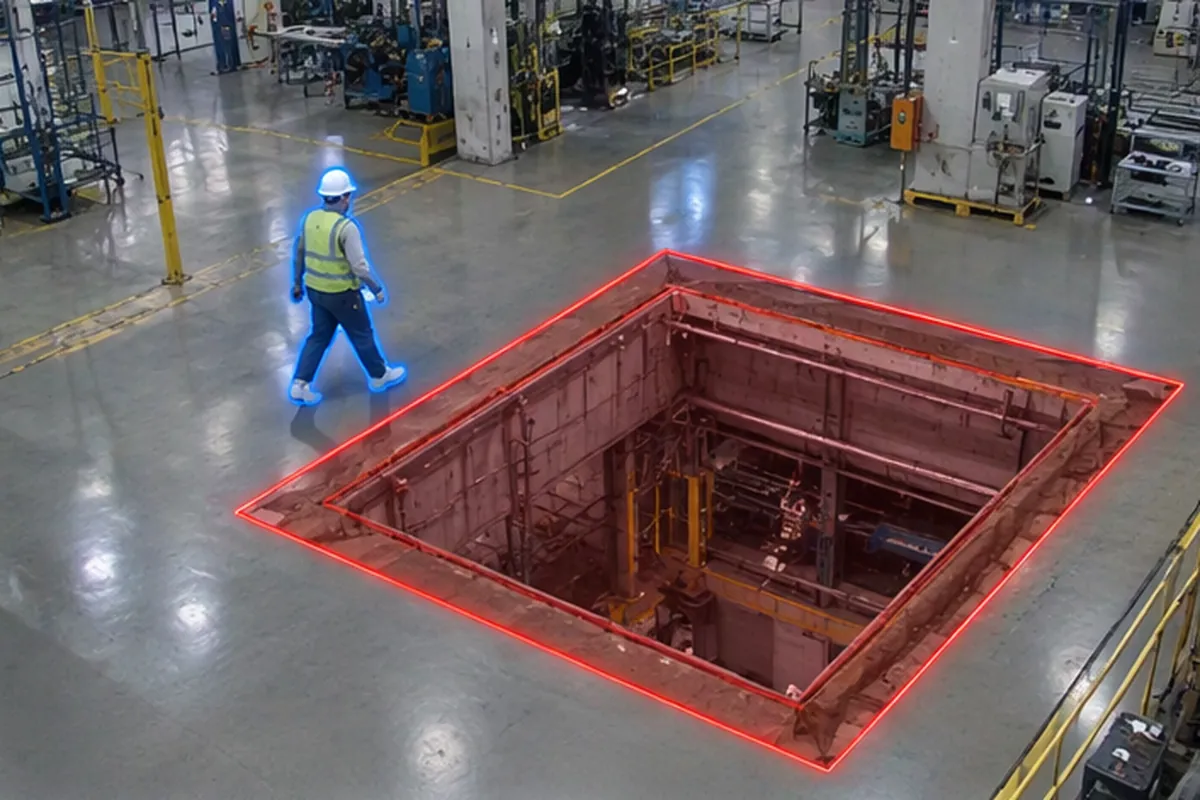
Flags pits, drains, openings and maintenance areas left without barricades.
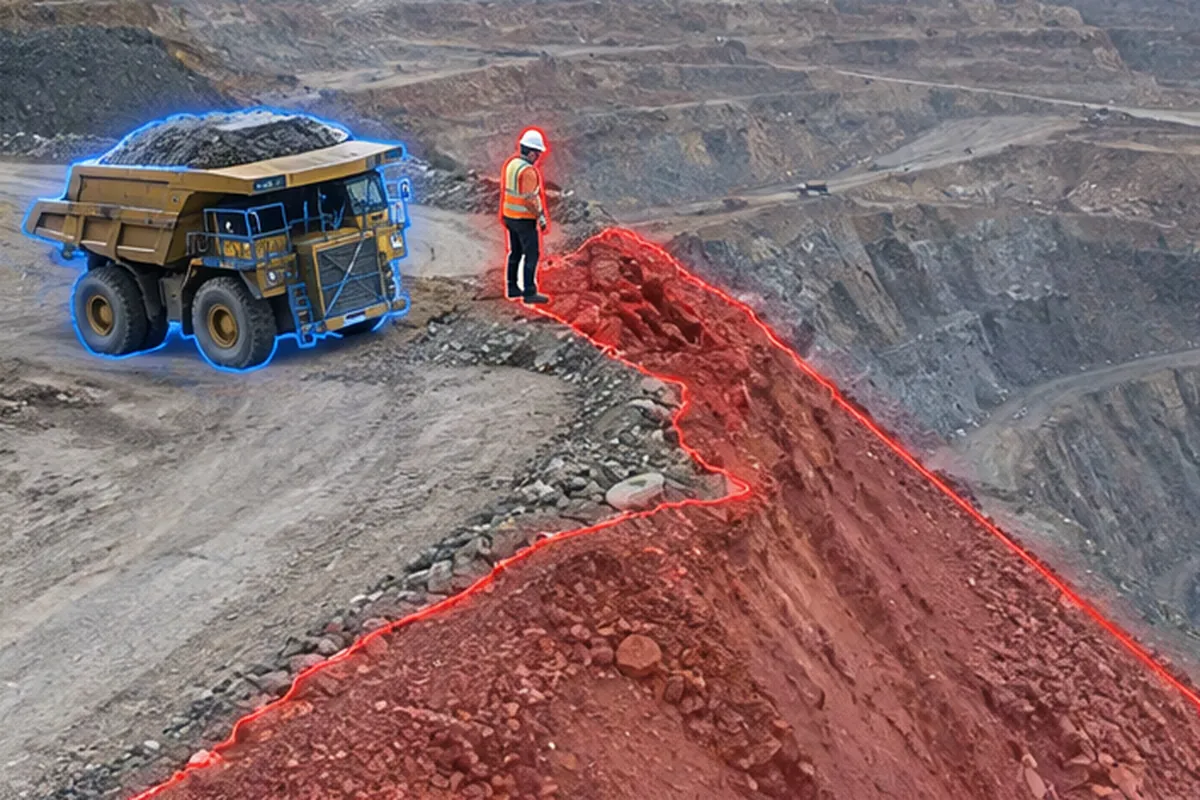
Detects people and machines too close to dump edges, berm crests, slopes and stockpiles.
Falls from height are one of the most common causes of workplace deaths, especially in construction. Most involve a missing control that was visible beforehand.
A guardrail comes off for a delivery, a barricade moves for access, a trench gets opened. Daily inspections miss what happens between them.
Logged events show where and when height and excavation controls slipped, which supports permit reviews and contractor conversations.
The same use cases read differently on each kind of site. Open a site type to see how they apply there.
Slab edges, scaffolds, ladders and trenches change as the build goes up. AURA watches each for missing protection and people in the wrong place.
Mezzanines, roof access and maintenance on tall machines involve ladders and edges. Pits and floor openings get flagged when they're left open.
Platforms, silo tops and maintenance scaffolds put people at height around hot and heavy processes. Edge and harness checks cover them.
Tank roofs, pipe racks and shutdown scaffolds all involve work at height. Harness and edge checks run alongside the permit.
Dump edges, berm crests, stockpiles and pit walls are fall and slide hazards for people and machines. AURA flags anyone too close.
Wing work, engine stands and maintenance docks put technicians at height in hangars. Harness, ladder and climbing checks apply there.
SAFVR for Aviation & AerospaceClimbing racking to reach stock is a common shortcut, and high-bay aisles need ladders. AURA flags both, along with people at open dock edges.
SAFVR for Warehousing & LogisticsService pits and maintenance at height in plants and test areas get barricade and edge checks.
SAFVR for AutomotiveOpenings and platforms during plant shutdowns get barricade checks before people work around them.
SAFVR for Pharma & Life SciencesEvery use case runs inside the AURA loop. A detection is only the start: the value comes from what happens next.
AURA watches each camera for the use cases you switch on, with zones, lines and rules drawn for that view.
Detect on the platformAlerts reach the right person with a snapshot and clip, and become tracked actions that get closed out.
Act on the platformEvents feed micro-training and toolbox talks built from your own footage, so lessons stick.
Improve on the platformTrends by area, shift and task show where risk is building, so you can fix it before the next incident.
Prevent on the platform8 use cases
6 use cases
8 use cases
8 use cases
9 use cases
11 use cases
11 use cases
9 use cases
7 use cases
8 use cases
5 use cases
READY TO SEE IT ON YOUR CAMERAS?
30 days. Your existing CCTV. Nine hazard categories live on day one — PPE, fall risk, vehicle proximity, restricted zones, and more. You see real detections from your floor before you commit to anything beyond the pilot.
No new hardware. Existing IP cameras work. Setup in days.