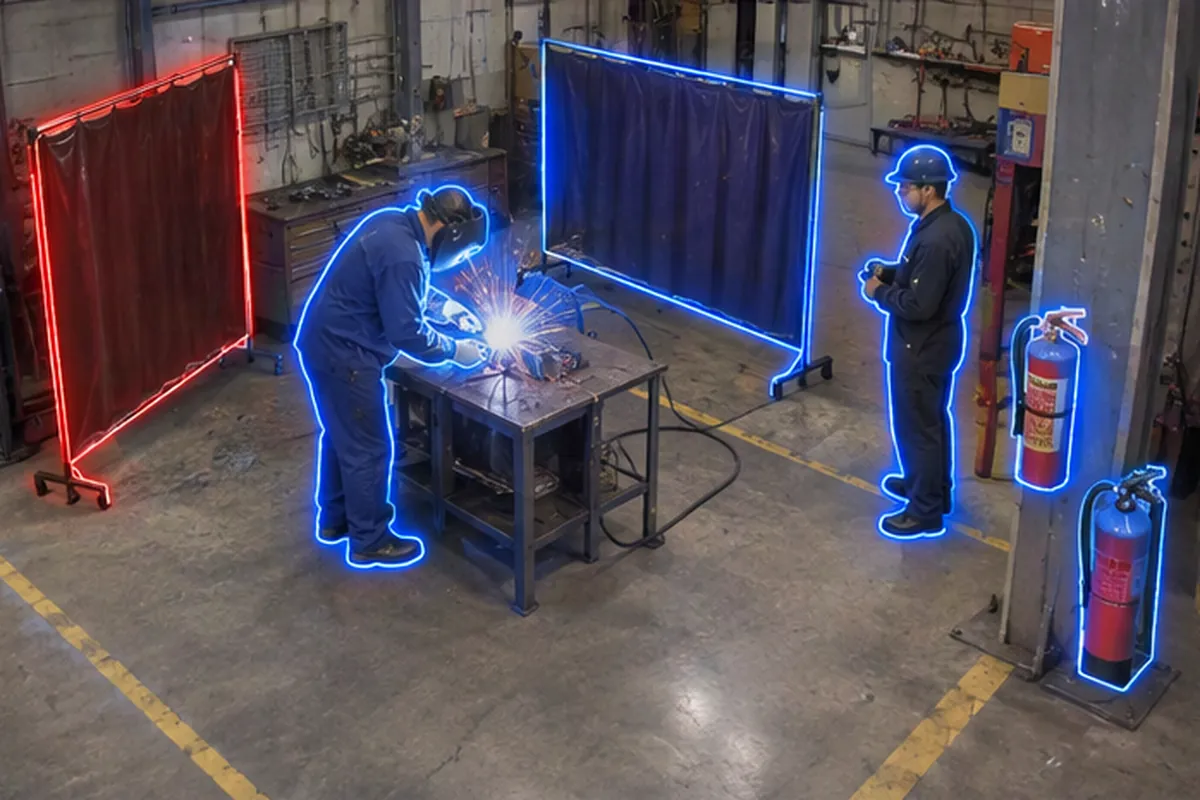
Permit-to-work controls
When a permit is issued, the camera on that job checks for the controls the permit lists.
- Manufacturing
- Steel & Cement
- Construction
- +3 more

SOP and sequence monitoring is computer vision that checks a procedure is followed step by step: that each step happens, in the order the SOP sets, before the work moves on. AURA watches gowning, assembly, line clearance, loading and isolation procedures, and checks the controls listed on a permit to work.
SOP & Sequence Monitoring covers 9 use cases in the SAFVR detection library: Permit-to-work controls, Gowning sequence, Assembly step verification, Line clearance checks, Dock loading procedure, Tanker loading and unloading, Isolation before maintenance, Pre-use equipment checks and Aircraft turnaround checks.
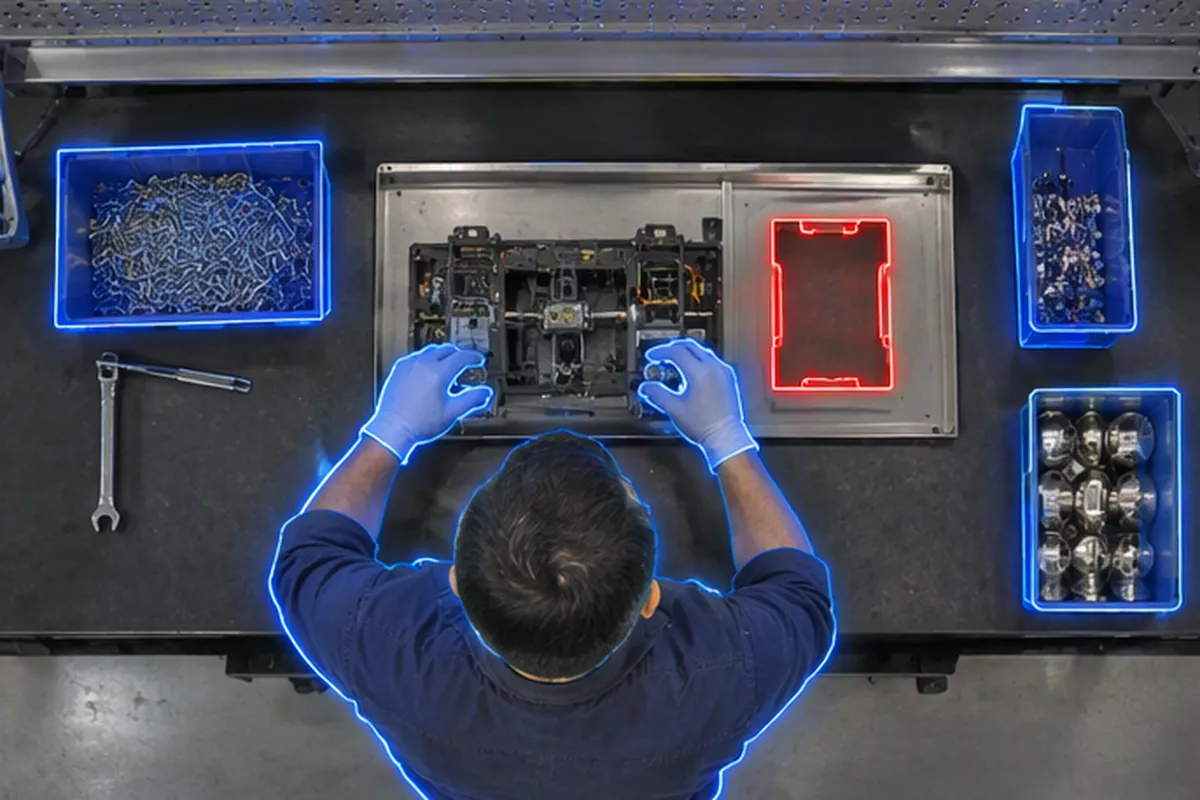
Assembly step verification
Each use case runs on the cameras you already have, with zones and rules set for each camera view. Use cases marked Camera + sensor also pair the camera with an IoT sensor or wearable.
When a permit is issued, the camera on that job checks for the controls the permit lists.
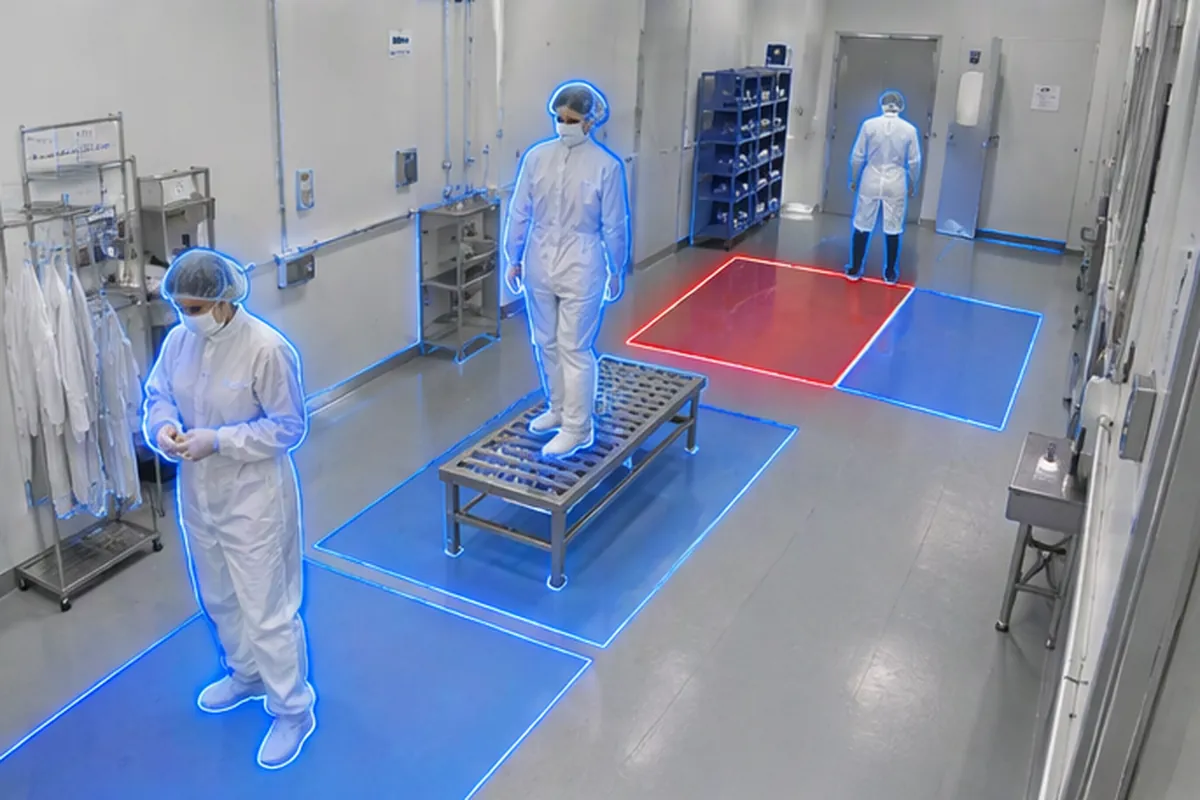
Checks each gowning step happens in the right order before someone enters a clean zone.
Spots missed or out-of-order steps at an assembly station, so the fix happens before the part moves on.
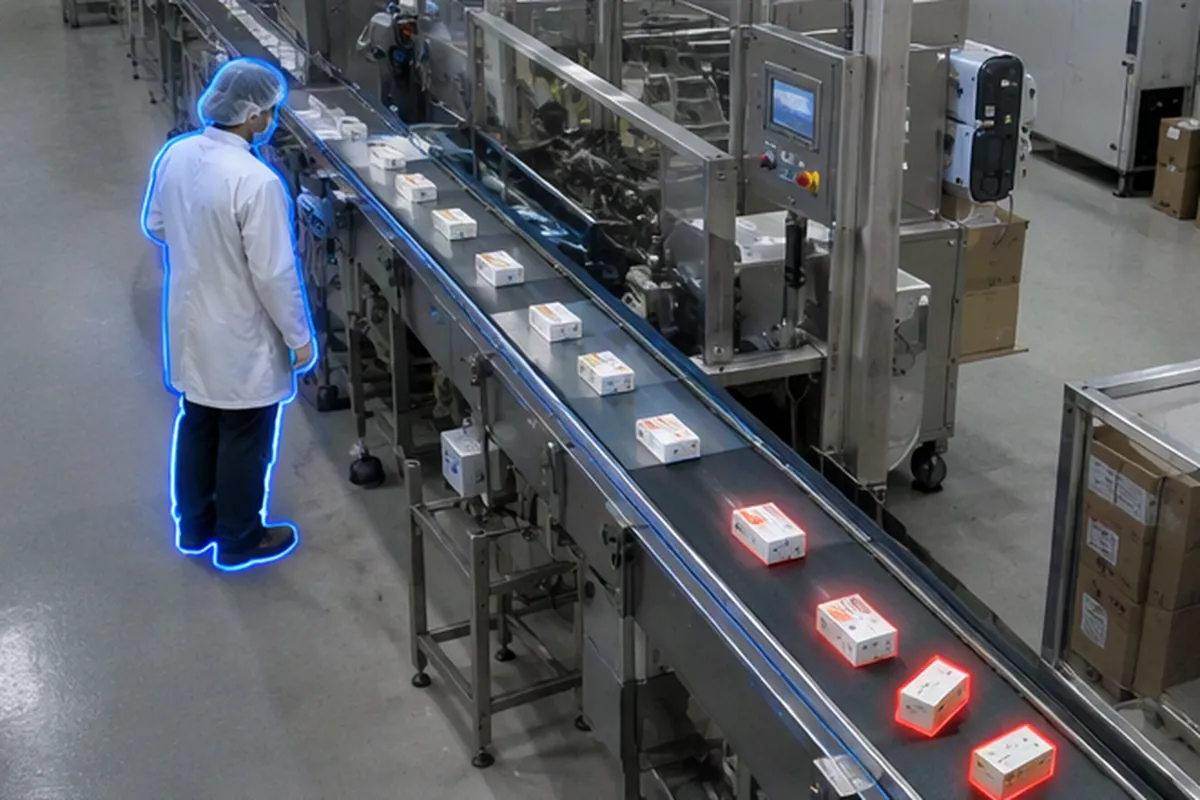
Confirms a line is cleared of the last batch's materials before the next batch starts.
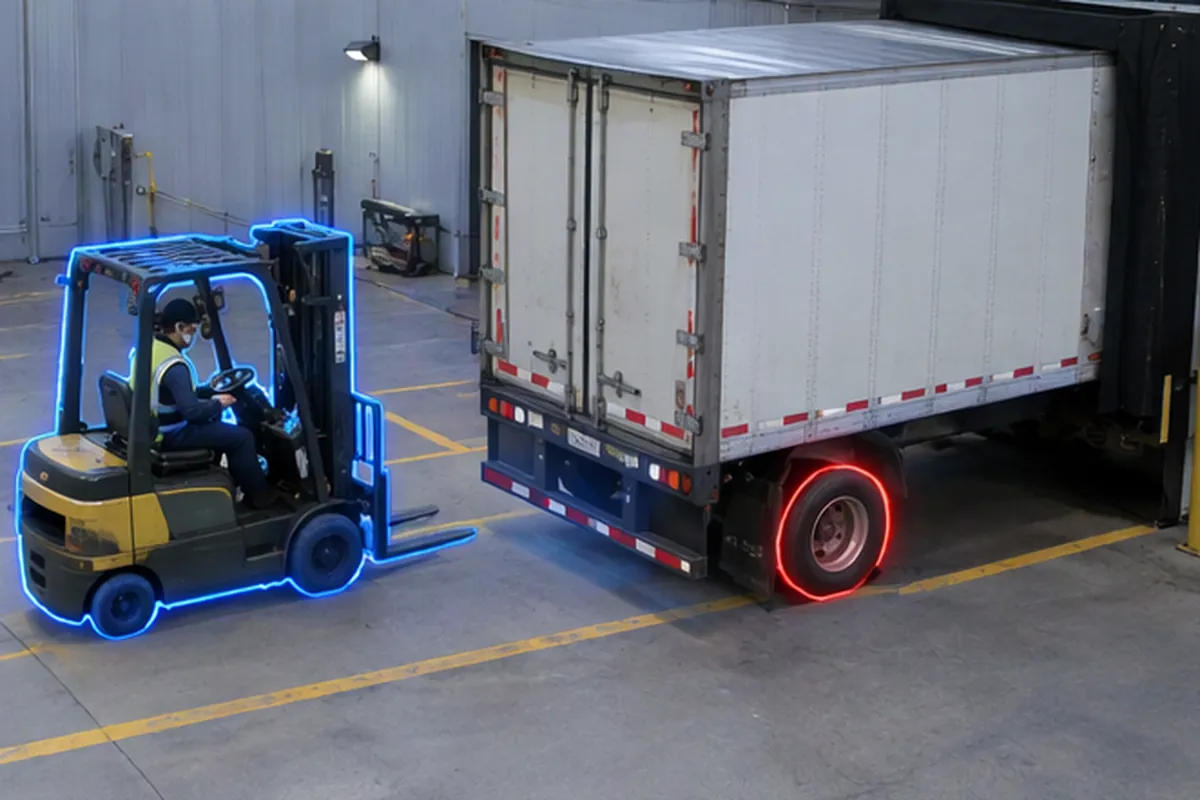
Checks wheel chocks and dock restraints are in place before loading starts.
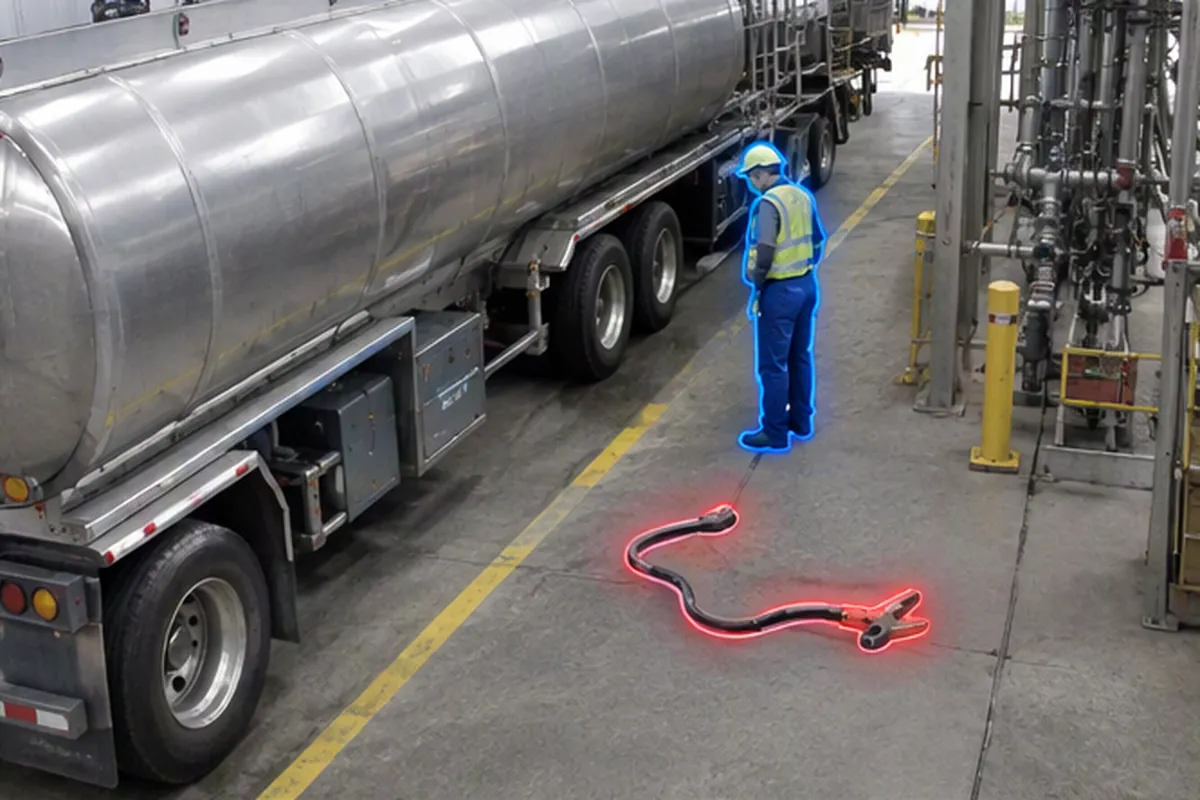
Checks the steps around a tanker transfer: wheel chocks, earthing clamp and an attendant present.
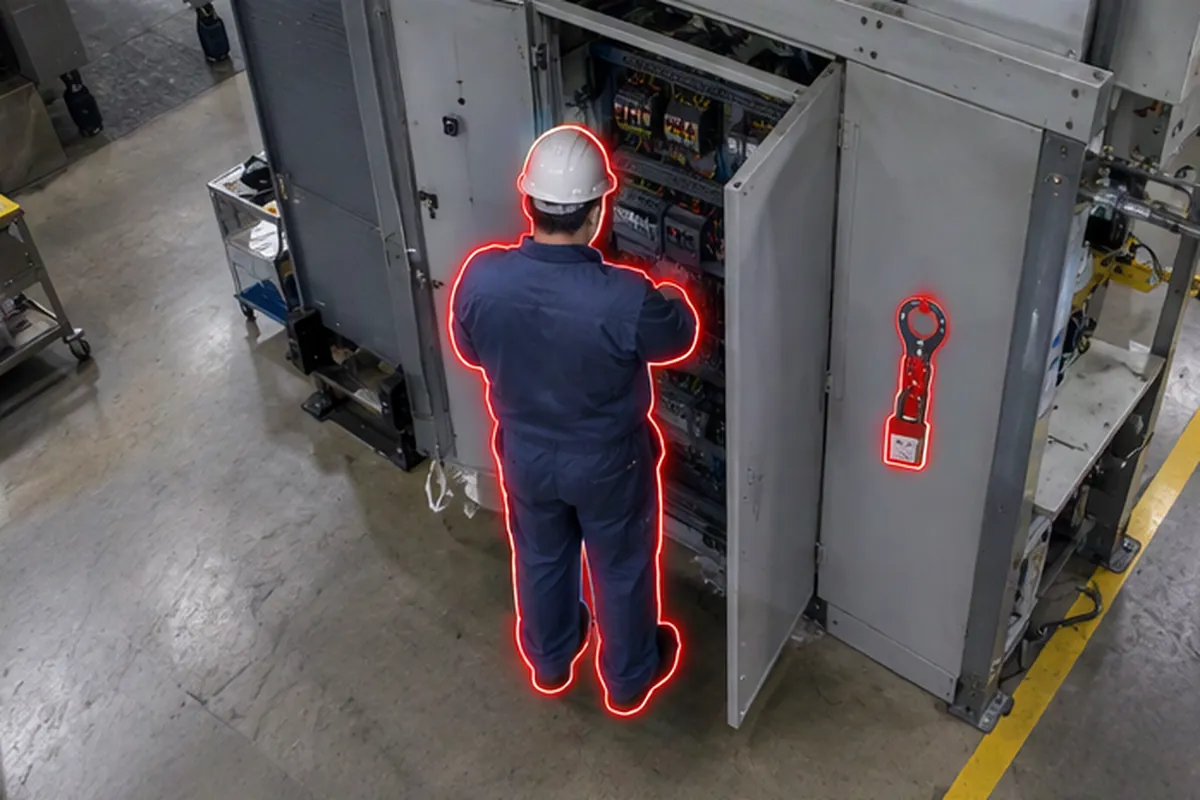
Checks isolation and lockout steps happen before maintenance work starts on a machine.
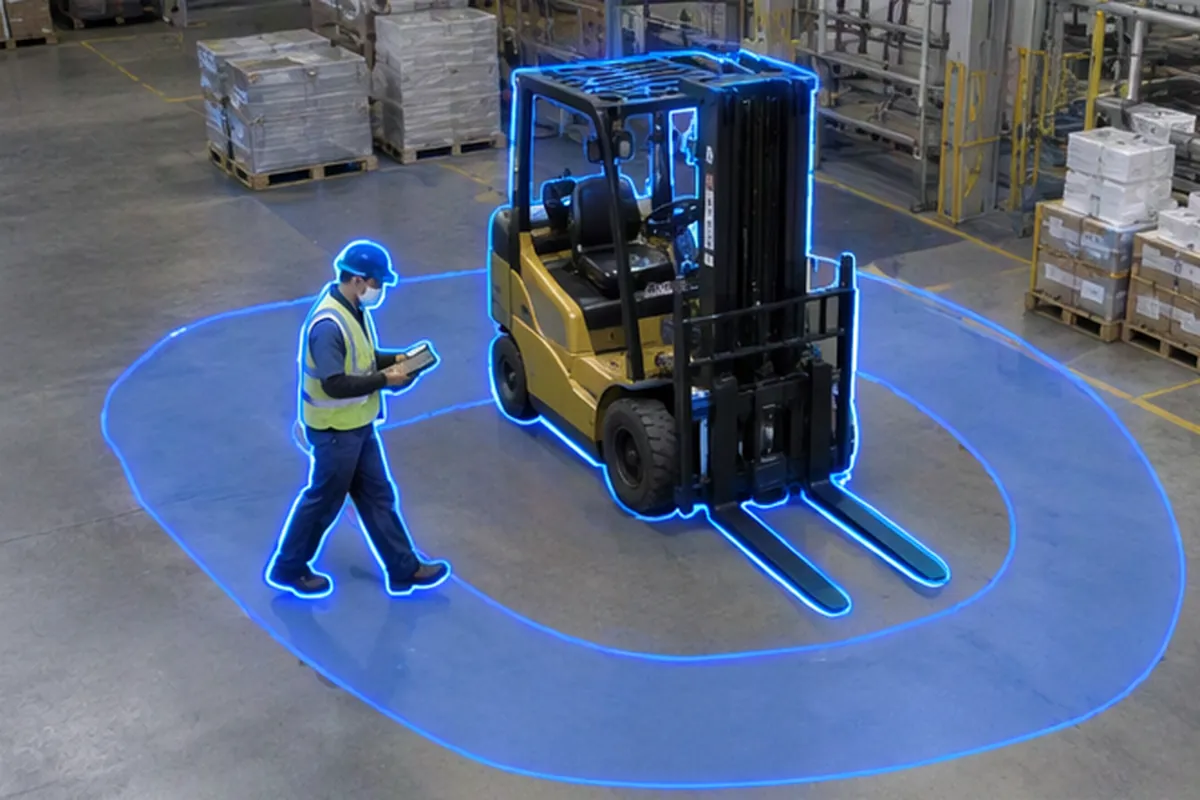
Confirms operators walk around and check a forklift, crane or excavator before the shift.
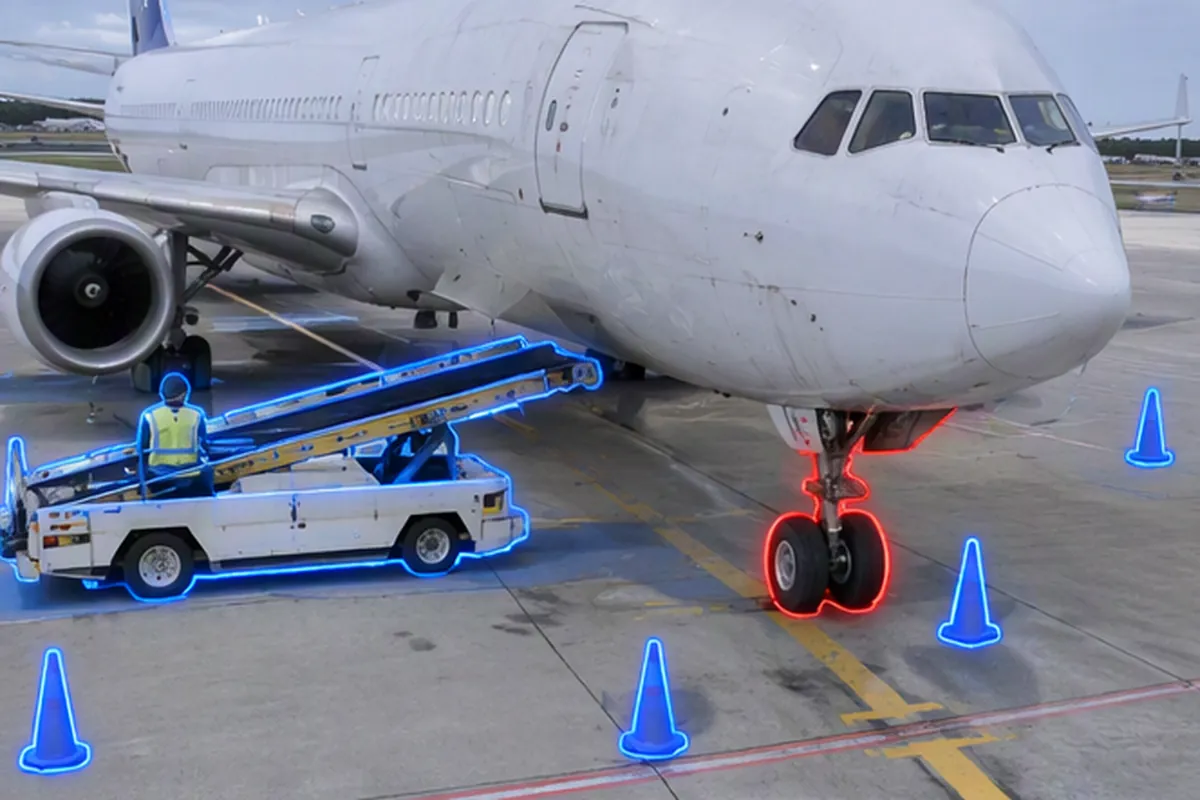
Checks chocks and cones are in place before ground equipment approaches the aircraft.
Procedures fail when a step is missed, done out of order or rushed at the end of a shift. Final inspection catches some of it, too late.
A checklist says a step was done. A camera shows whether it was.
The same cameras that watch for hazards can check procedures, so SOP adherence sits next to safety in one record.
The same use cases read differently on each kind of site. Open a site type to see how they apply there.
Assembly stations, changeovers and isolation before maintenance all follow set steps. Missed and out-of-order steps get flagged.
Gowning order, line clearance between batches and material flow are GMP-critical. AURA checks each step and records deviations.
Assembly sequences at each station and isolation before robot-cell maintenance are checked step by step.
SAFVR for AutomotiveIsolation before maintenance and pre-use crane checks are confirmed on camera.
SAFVR for Steel & CementPre-start inspections and isolation before clearing blockages are confirmed before work starts.
SAFVR for MiningTanker transfers, isolation before maintenance and permit controls follow strict sequences. AURA checks them on the job.
SAFVR for EnergyWheel chocks and dock restraints before loading, and pre-use forklift checks, are standard steps AURA can confirm.
SAFVR for Warehousing & LogisticsPre-use checks on plant and permit controls for high-risk work are confirmed on camera.
SAFVR for ConstructionTurnaround steps, such as chocks and cones in place before ground equipment approaches, are checked on stand.
SAFVR for Aviation & AerospaceEvery use case runs inside the AURA loop. A detection is only the start: the value comes from what happens next.
AURA watches each camera for the use cases you switch on, with zones, lines and rules drawn for that view.
Detect on the platformAlerts reach the right person with a snapshot and clip, and become tracked actions that get closed out.
Act on the platformEvents feed micro-training and toolbox talks built from your own footage, so lessons stick.
Improve on the platformTrends by area, shift and task show where risk is building, so you can fix it before the next incident.
Prevent on the platform8 use cases
6 use cases
8 use cases
8 use cases
8 use cases
9 use cases
11 use cases
11 use cases
7 use cases
8 use cases
5 use cases
READY TO SEE IT ON YOUR CAMERAS?
30 days. Your existing CCTV. Nine hazard categories live on day one — PPE, fall risk, vehicle proximity, restricted zones, and more. You see real detections from your floor before you commit to anything beyond the pilot.
No new hardware. Existing IP cameras work. Setup in days.