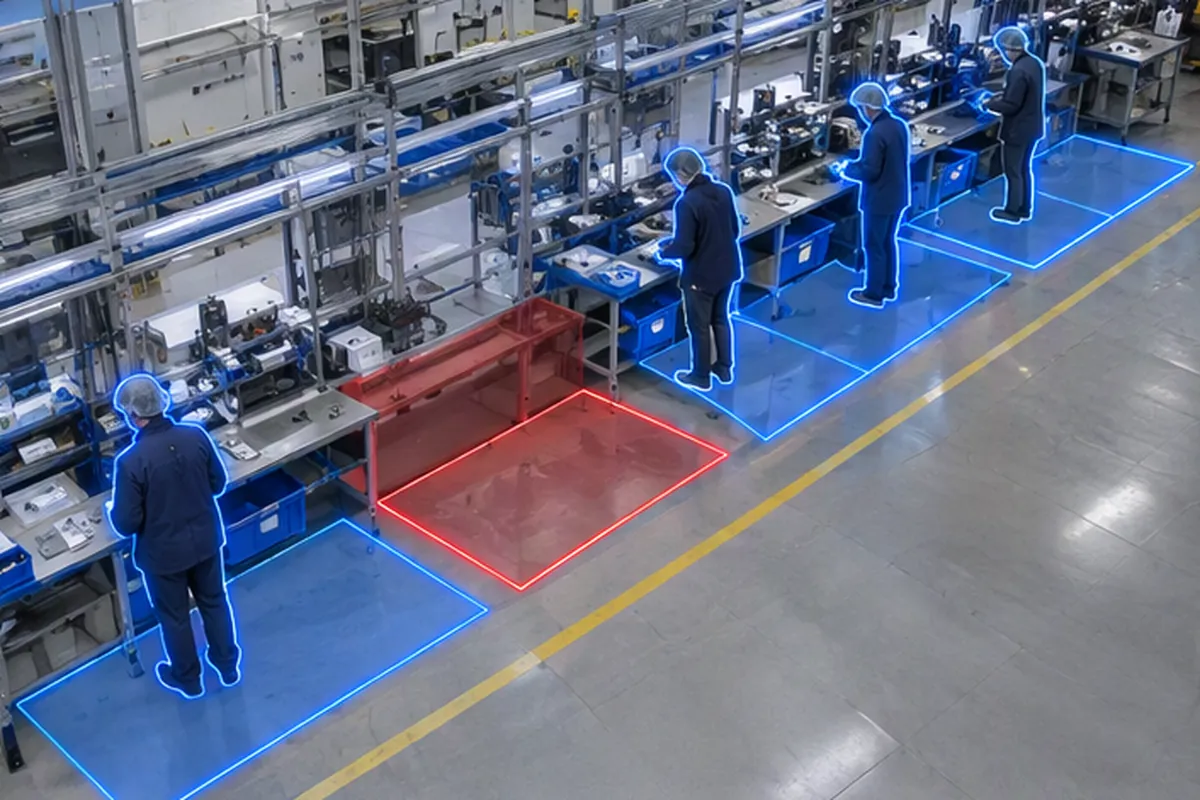
Station and post coverage
Flags stations, control rooms and security posts left unattended, and areas missing their required headcount.
- Manufacturing
- Automotive
- Steel & Cement
- +3 more

Productivity and flow analytics is computer vision that measures how work moves: stations left uncovered, queues and congestion, people flow, conveyor jams, blocked AGV paths, equipment utilisation, turnaround time and cycle time. Results are reported by area, station or shift, never by individual.
Productivity & Flow covers 8 use cases in the SAFVR detection library: Station and post coverage, Queues and congestion, People flow and area counts, Conveyor jams and pile-ups, AGV path blocked, Equipment utilisation, Turnaround time and Cycle and idle time.
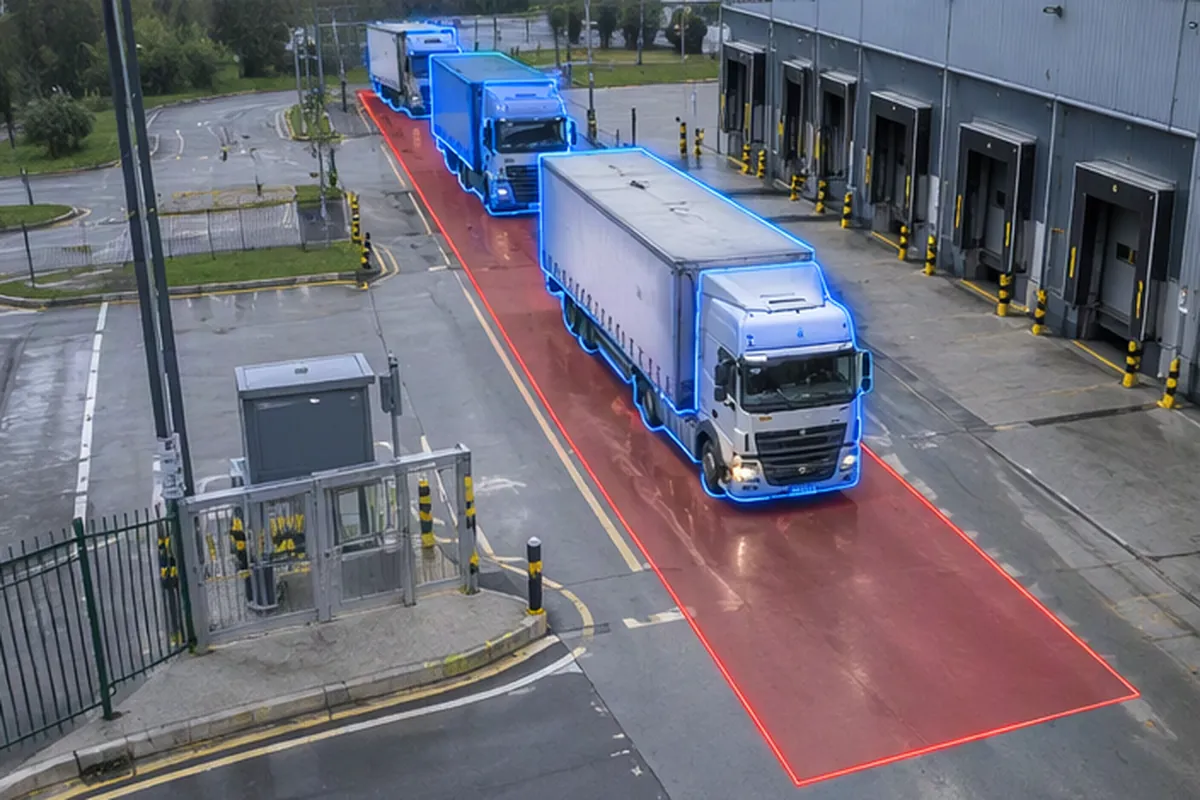
Queues and congestion
Each use case runs on the cameras you already have, with zones and rules set for each camera view. Use cases marked Camera + sensor also pair the camera with an IoT sensor or wearable.
Flags stations, control rooms and security posts left unattended, and areas missing their required headcount.
Measures queues and congestion at gates, docks, loading bays and canteens, so bottlenecks are easy to see.
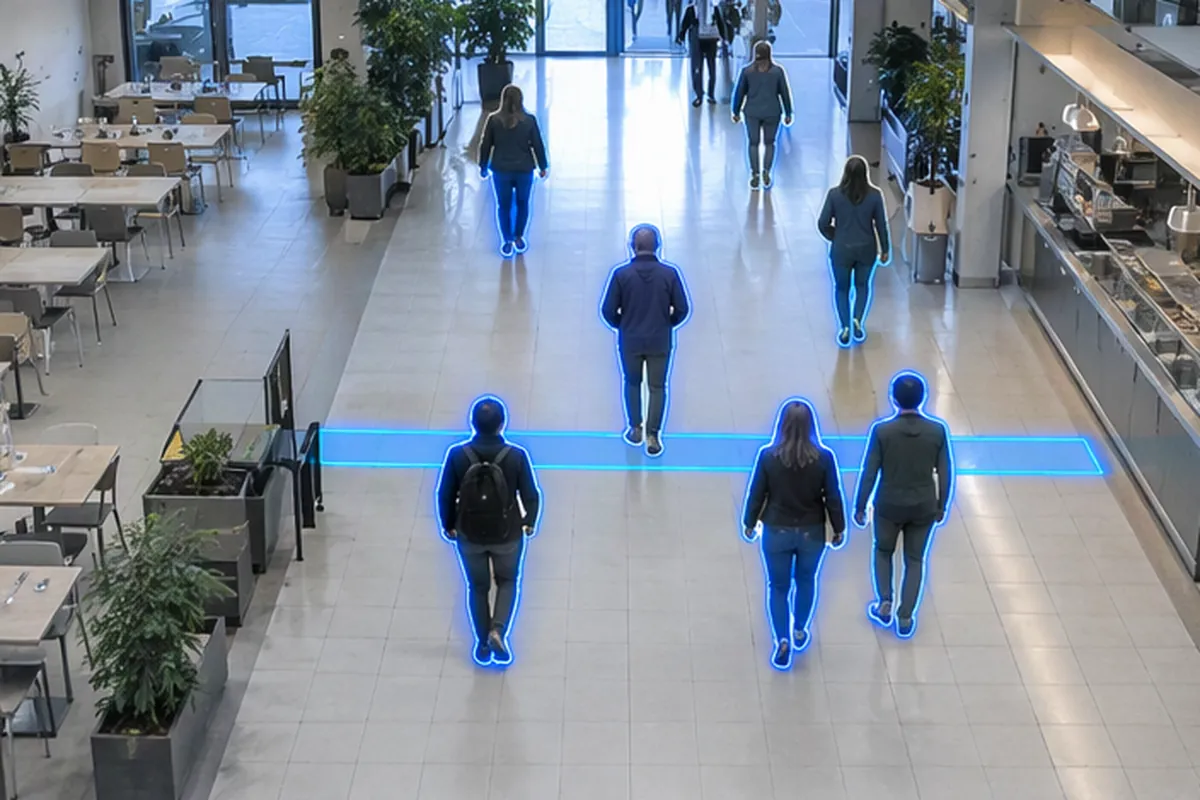
Counts people entering, leaving and inside an area, by zone and shift.
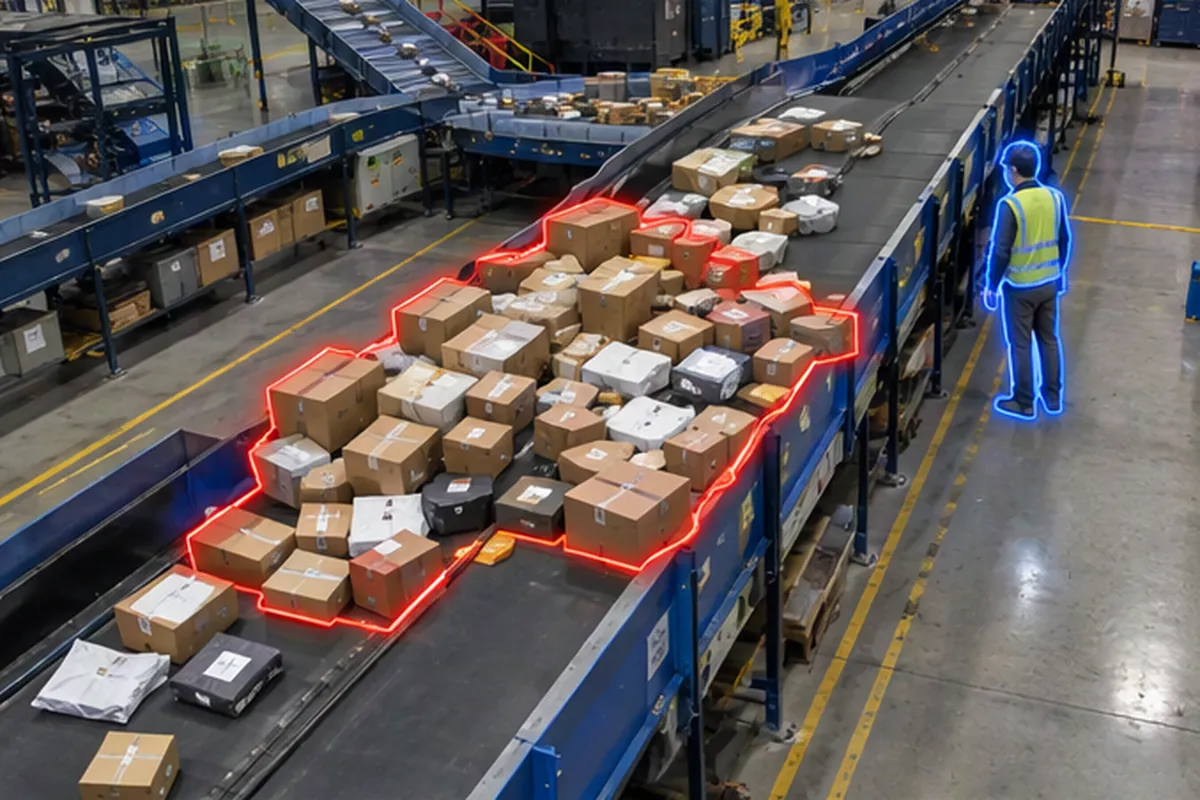
Spots packages and material piling up on conveyors before the line stops.
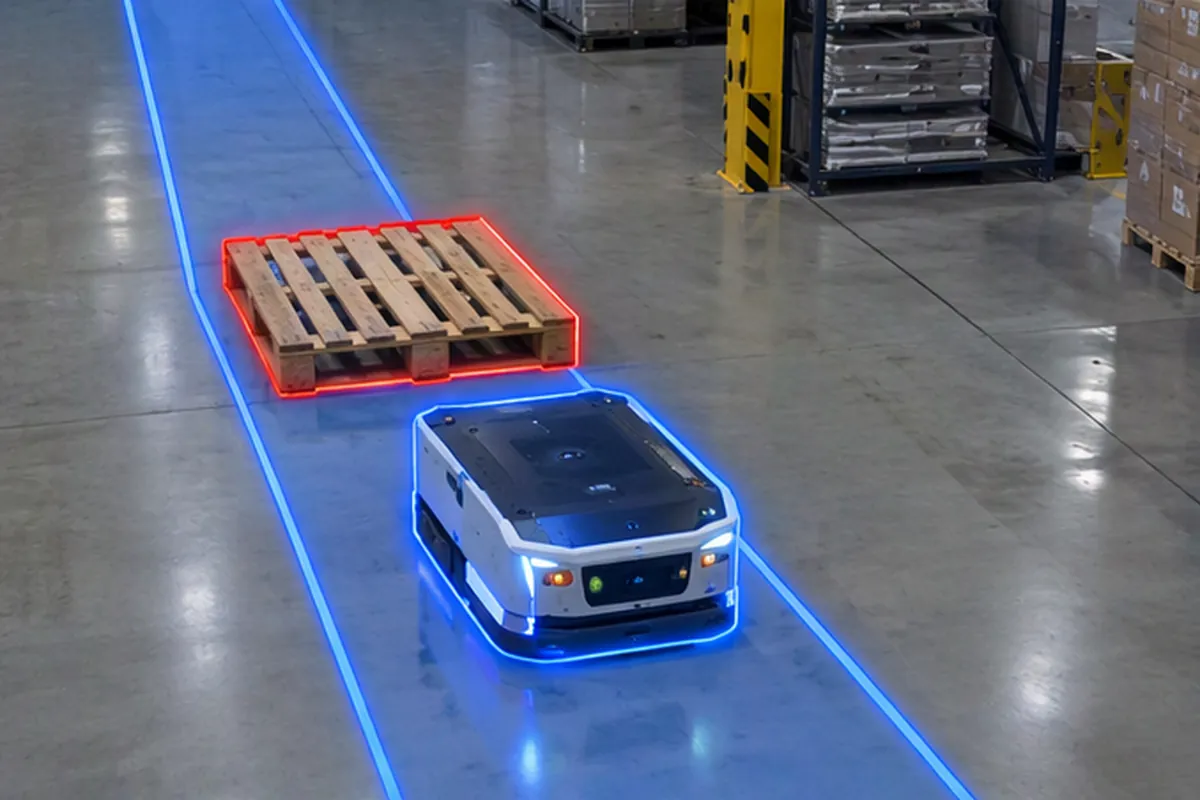
Flags obstructions on AGV and AMR routes before they stall the fleet.
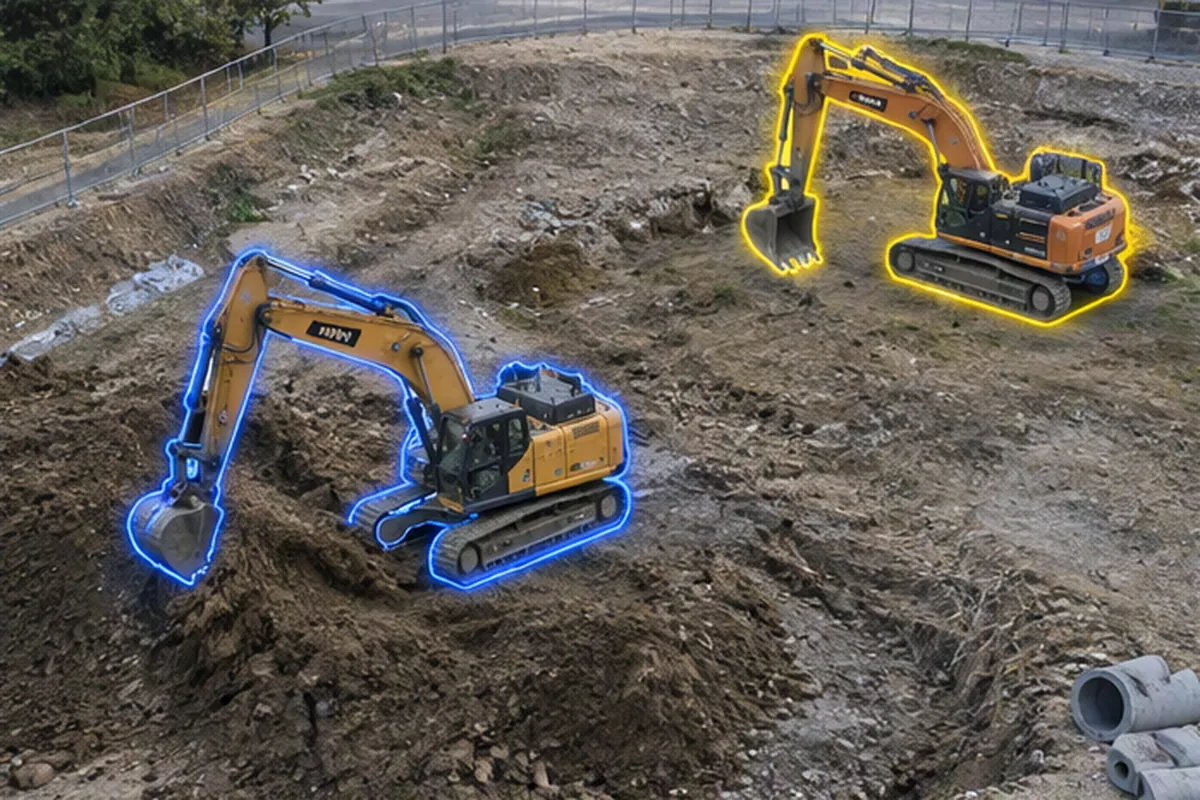
Shows how long forklifts, cranes and excavators are working versus idle, by area and shift.
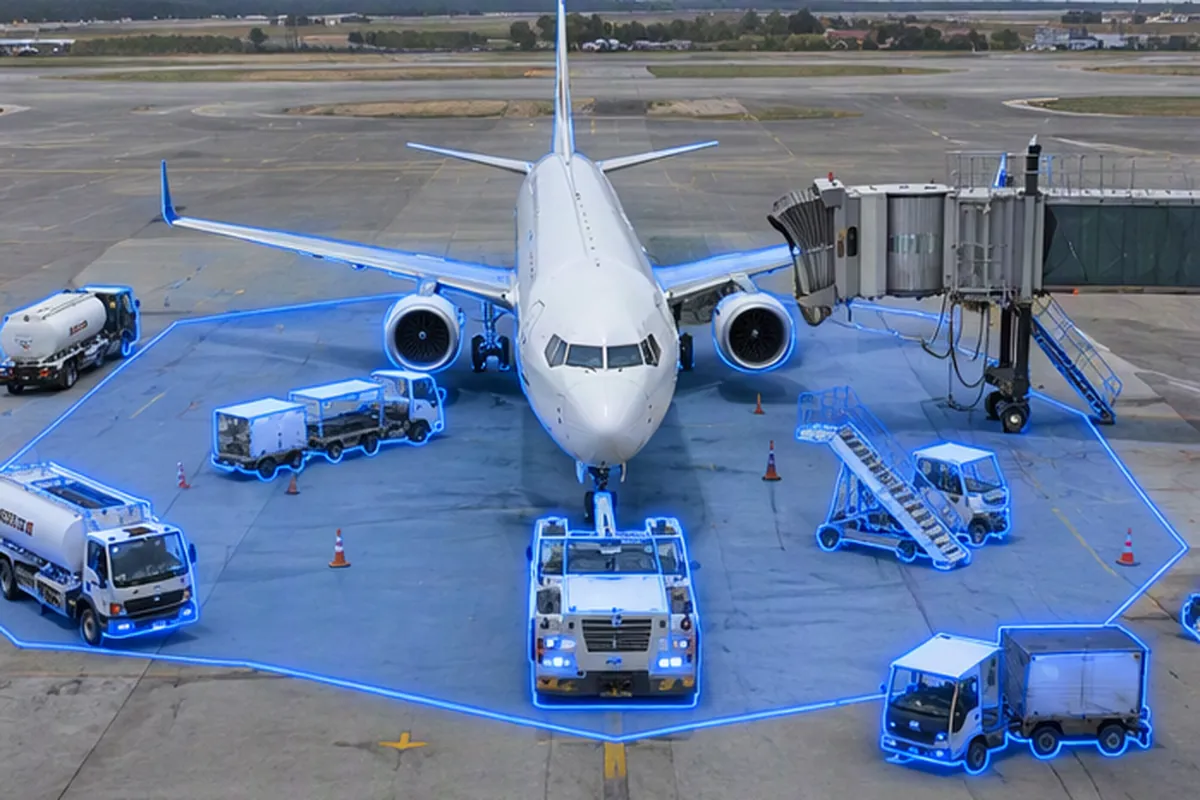
Tracks how long trucks spend at docks and aircraft spend on stand, from arrival to departure.
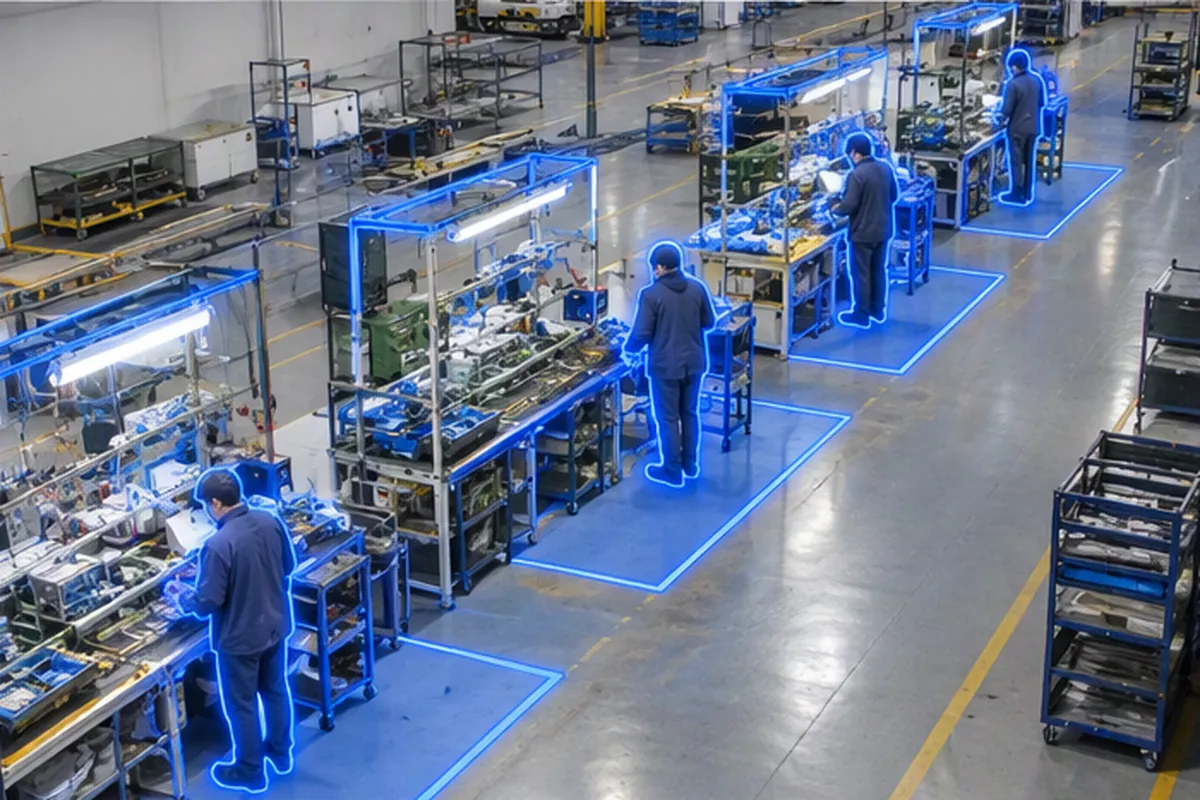
Measures cycle time and idle time at a station, reported by station and shift, never by person.
The camera watching for hazards can also show where work queues, waits or stops. That's operations insight without another system.
Time studies and walk-throughs capture a few hours. Continuous measurement covers every shift, including the ones nobody watches.
Reporting is by area, station and shift, never by person, so the focus stays on the process.
The same use cases read differently on each kind of site. Open a site type to see how they apply there.
Cycle time, idle time and station coverage show where lines lose output, by station and shift.
Dock turnaround, queues at gates and loading bays, conveyor jams and forklift utilisation are measured continuously.
Station cycle times and AGV routes are measured, so bottlenecks and blocked paths get fixed fast.
Queues at loading points, conveyor pile-ups and haul equipment utilisation are tracked by shift.
SAFVR for MiningStation coverage, cycle time and AGV routes in production and warehouses are tracked by area.
SAFVR for Pharma & Life SciencesTurnaround time on stand and queues in baggage and cargo areas are measured from existing cameras.
SAFVR for Aviation & AerospaceCrane and loader utilisation and queues at dispatch are measured by shift.
SAFVR for Steel & CementExcavator, crane and telehandler working versus idle time shows how plant is used across the site.
SAFVR for ConstructionControl rooms, gates and posts are checked for coverage, and queues at loading gantries are measured.
SAFVR for EnergyEvery use case runs inside the AURA loop. A detection is only the start: the value comes from what happens next.
AURA watches each camera for the use cases you switch on, with zones, lines and rules drawn for that view.
Detect on the platformAlerts reach the right person with a snapshot and clip, and become tracked actions that get closed out.
Act on the platformEvents feed micro-training and toolbox talks built from your own footage, so lessons stick.
Improve on the platformTrends by area, shift and task show where risk is building, so you can fix it before the next incident.
Prevent on the platform8 use cases
6 use cases
8 use cases
8 use cases
8 use cases
9 use cases
11 use cases
11 use cases
9 use cases
7 use cases
5 use cases
READY TO SEE IT ON YOUR CAMERAS?
30 days. Your existing CCTV. Nine hazard categories live on day one — PPE, fall risk, vehicle proximity, restricted zones, and more. You see real detections from your floor before you commit to anything beyond the pilot.
No new hardware. Existing IP cameras work. Setup in days.