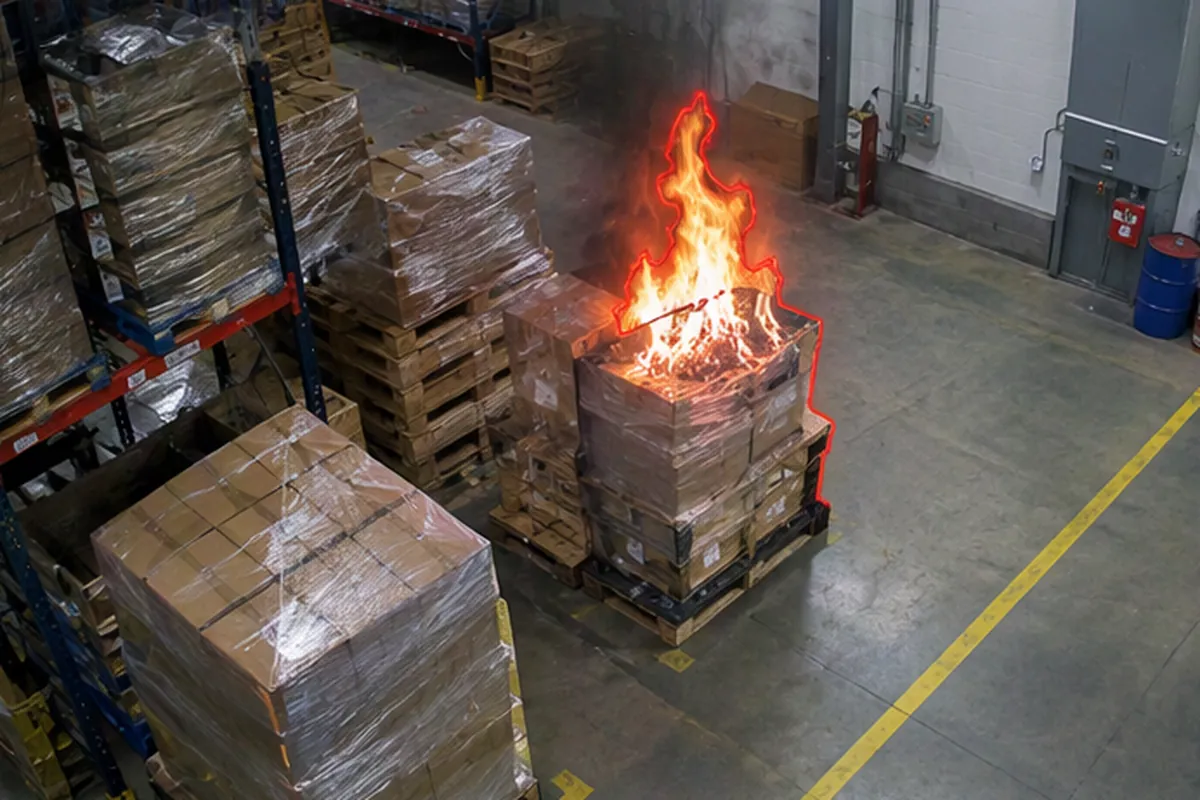
Fire and open flame
Detects visible flames, including open flames left unattended, and confirms what a fire alarm panel has raised.
- All site types

Fire and hot work detection is computer vision that watches for visible fire and smoke and for the conditions that start them: sparks near combustibles, welding without screens, hot work without a fire watch, smoking where it's banned and gas cylinders stored unsafely. It also checks that confined space entries have an attendant posted.
Hot Work, Fire & Confined Space covers 8 use cases in the SAFVR detection library: Fire and open flame, Smoke and fumes, Sparks and welding hazards, Hot work without a fire watch, Smoking in no-smoking areas, Gas cylinder storage, Confined space entry without an attendant and Gas and atmosphere alarm verification.
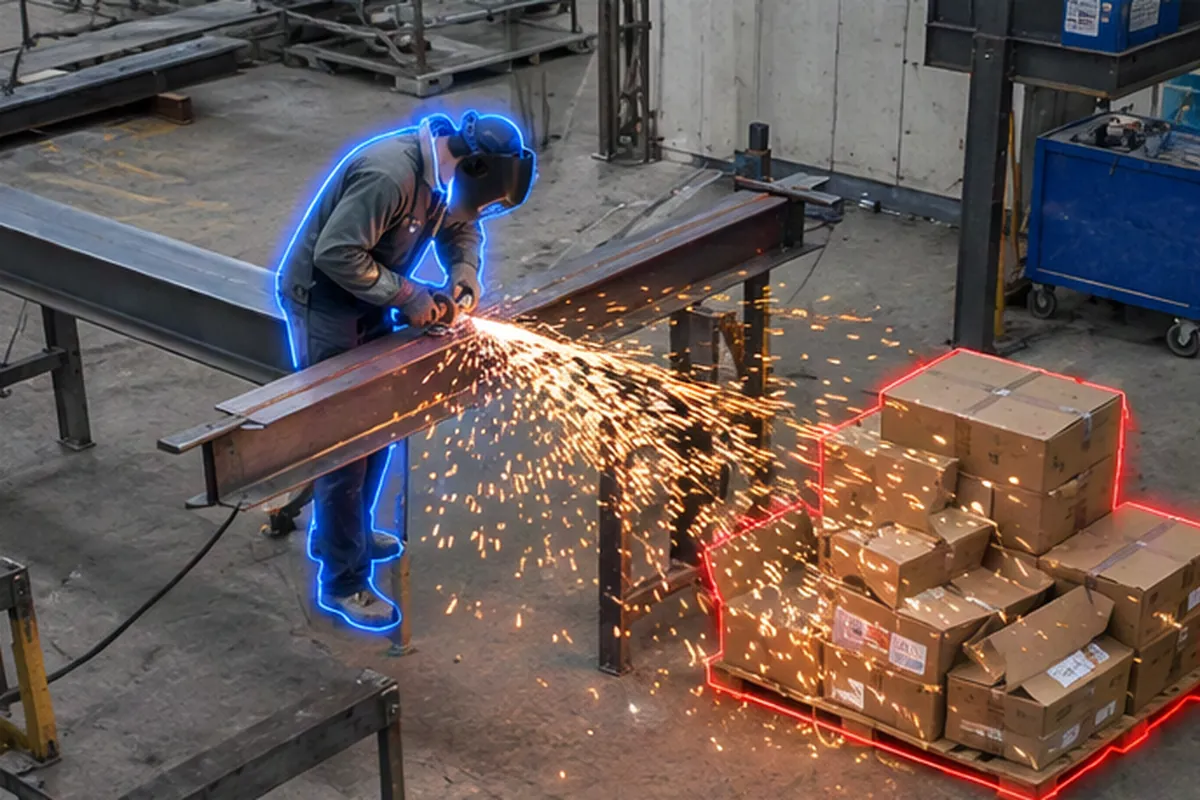
Sparks and welding hazards
Each use case runs on the cameras you already have, with zones and rules set for each camera view. Use cases marked Camera + sensor also pair the camera with an IoT sensor or wearable.
Detects visible flames, including open flames left unattended, and confirms what a fire alarm panel has raised.
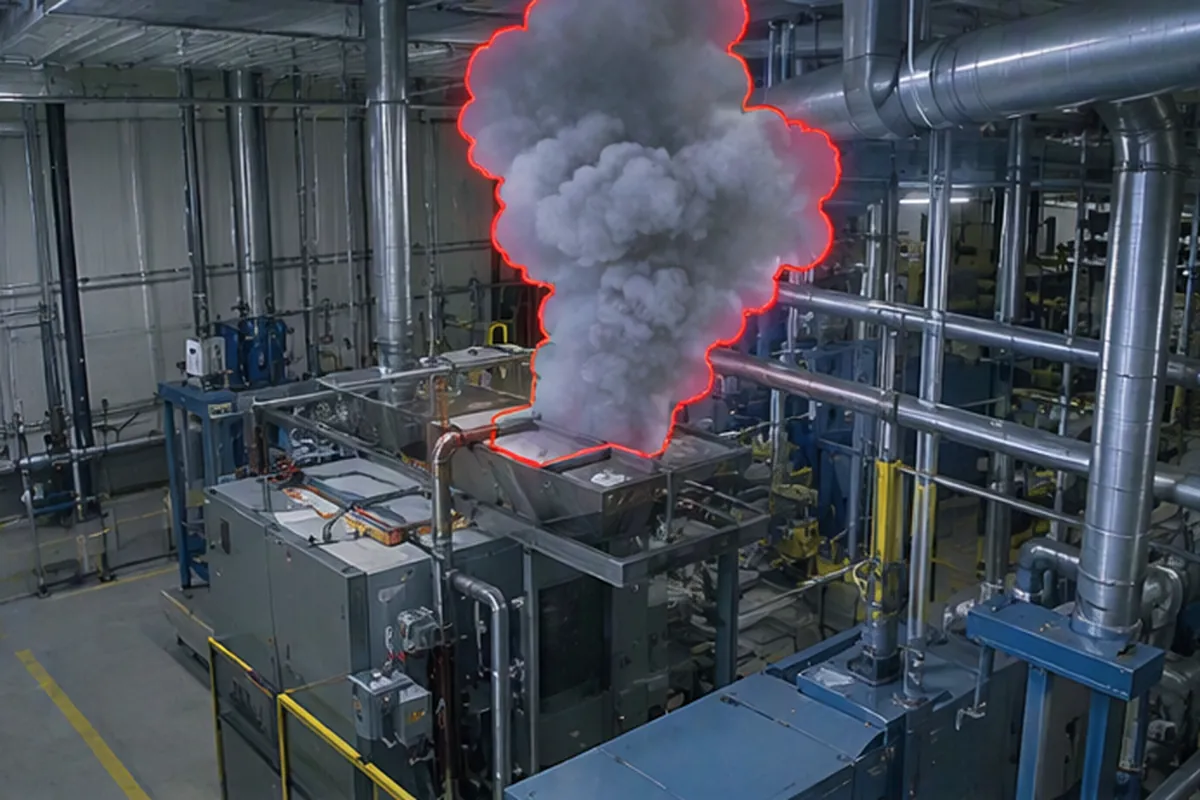
Spots smoke and visible fumes early, indoors and outdoors.
Flags sparks near combustible materials and welding arcs without protective screens.
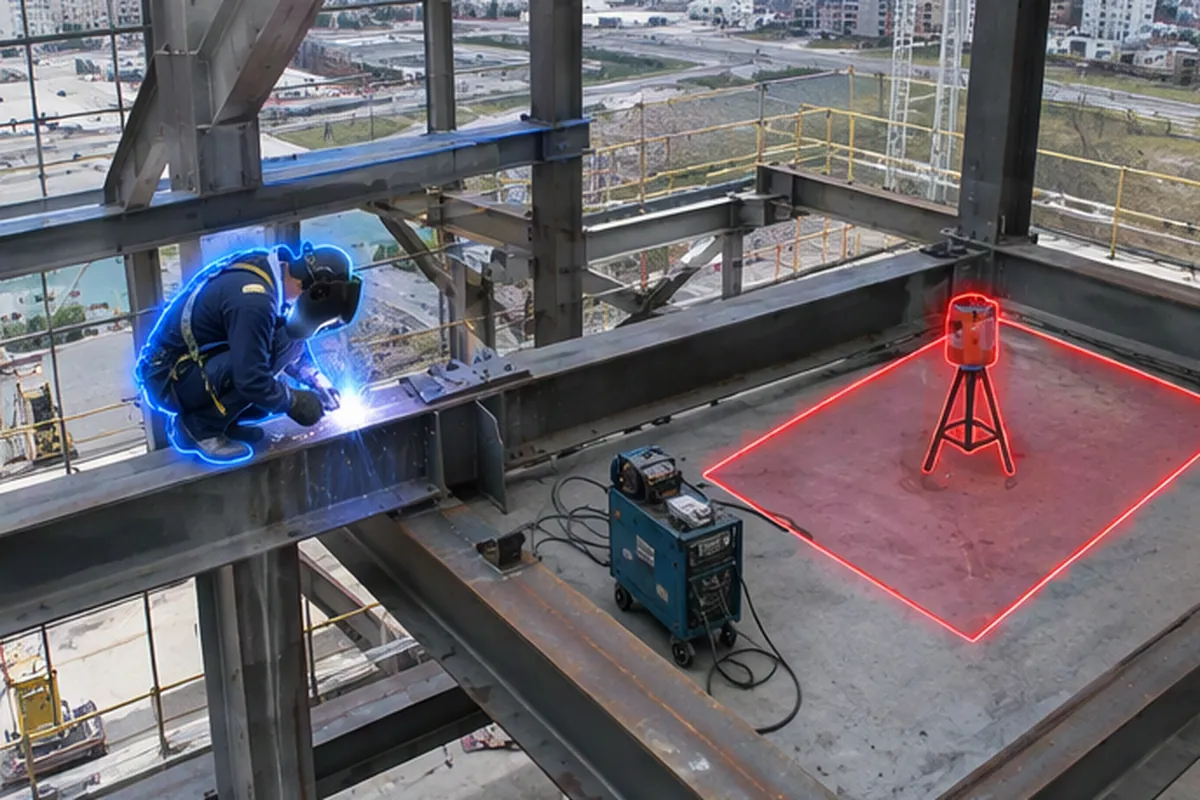
Checks that a fire watch stays in place while hot work is under way.
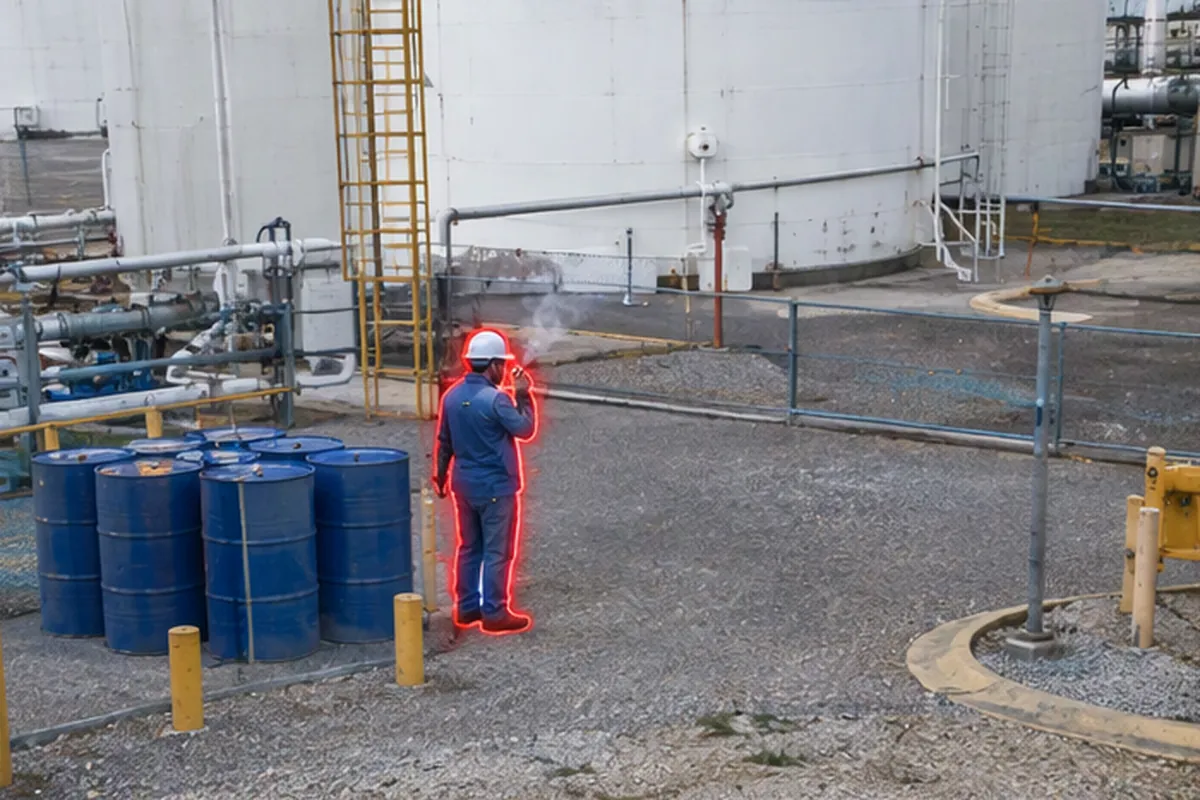
Detects smoking where it's banned, from fuel stores to clean zones.
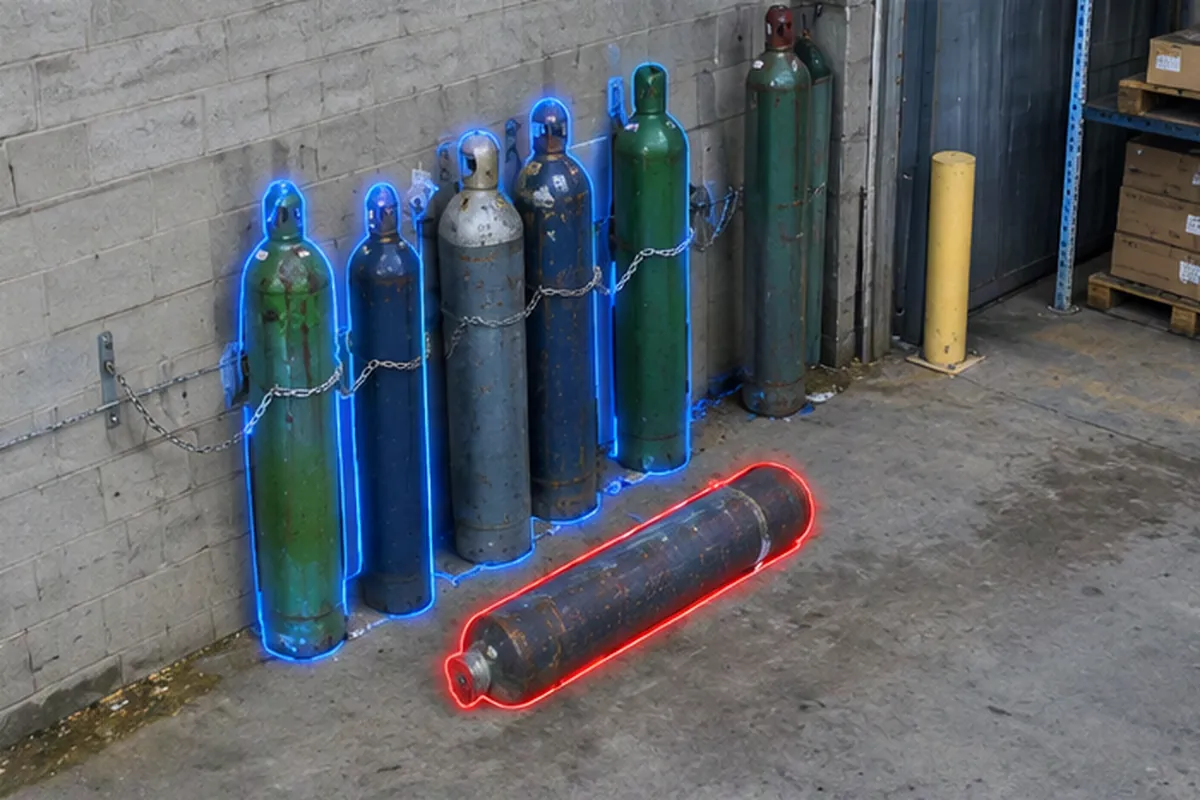
Spots gas cylinders stored, left or positioned unsafely.
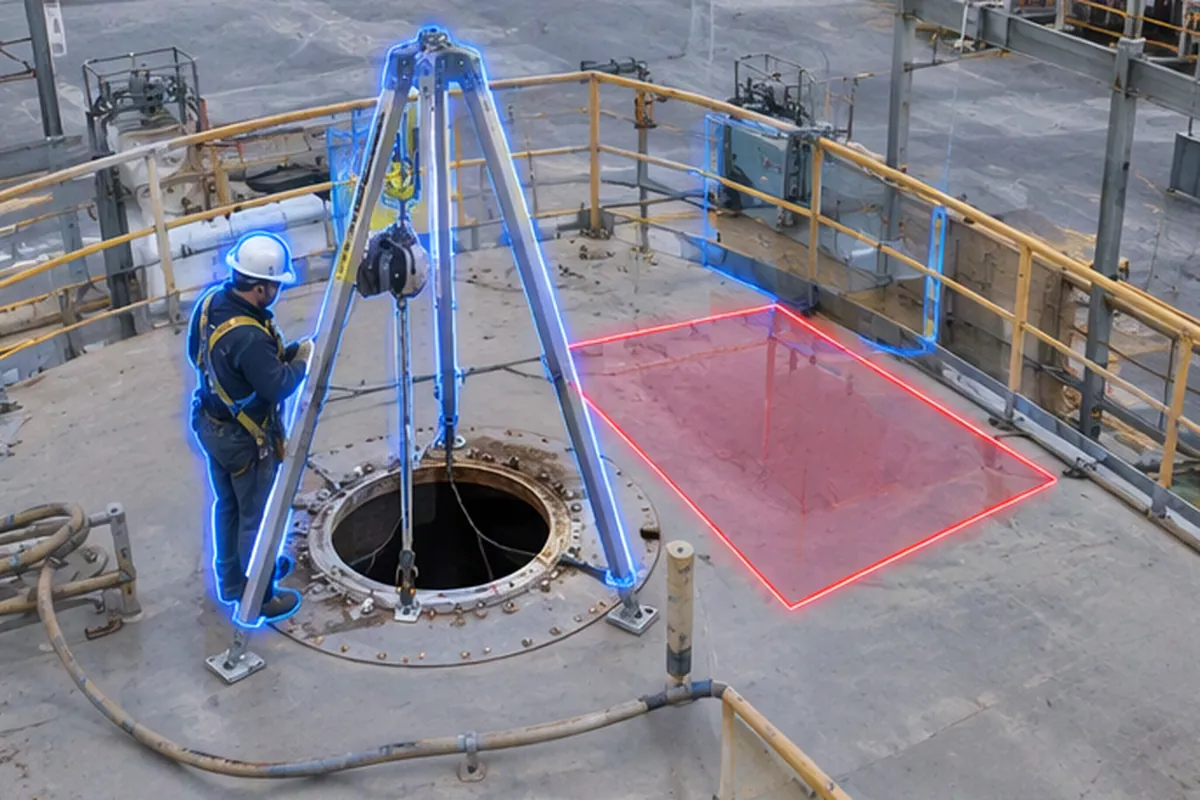
Flags entry into a tank, vessel or pit when no attendant is posted at the opening.
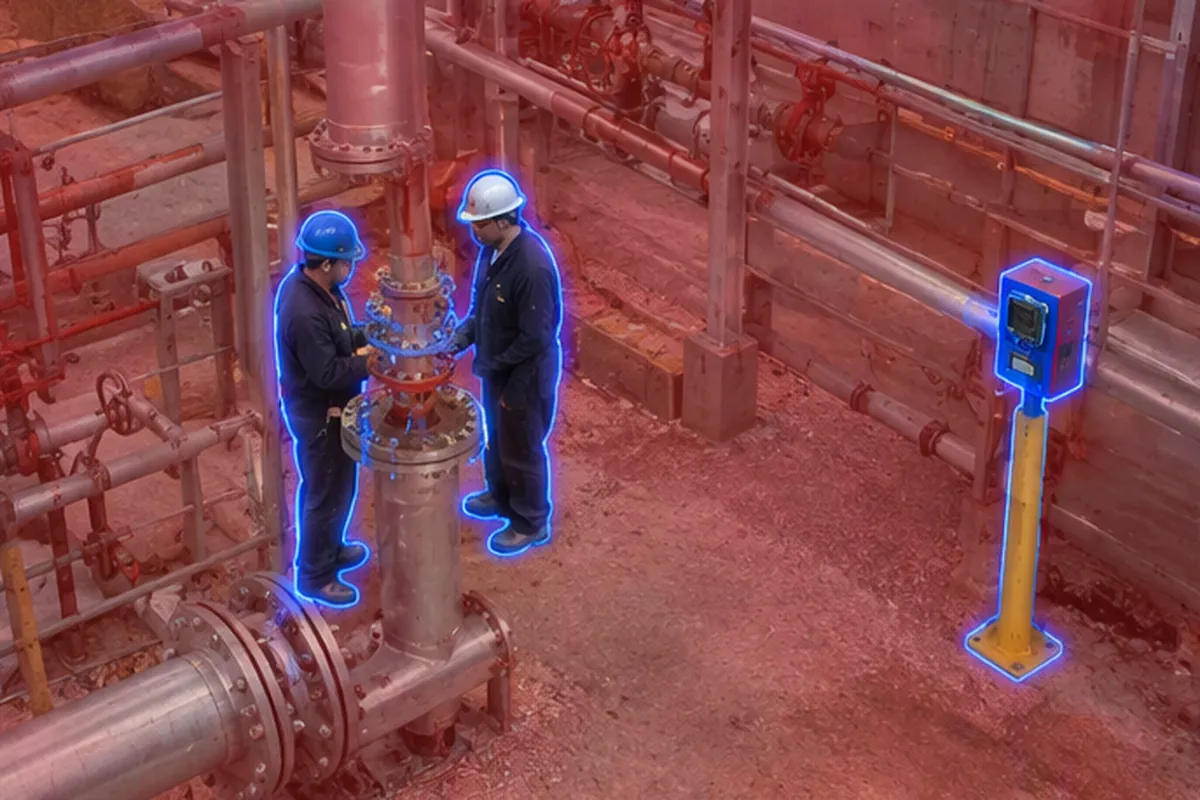
When a gas, oxygen or VOC sensor alarms, the camera shows who is in the area and what they're doing.
Sparks and slag can travel well beyond the work area and smoulder for hours. A fire watch and cleared combustibles are the controls that matter.
Entrants depend on the attendant at the opening. If the attendant walks away, nobody knows when something goes wrong inside.
Cameras confirm what a detector or alarm panel has raised, so responders know where to go and what they'll find.
The same use cases read differently on each kind of site. Open a site type to see how they apply there.
Welding bays, paint shops and solvent stores carry fire risk. Spark, smoke and smoking checks cover them.
Cutting, welding and furnace work happen every day. Fire watch and spark checks sit alongside smoke detection in dusty conditions.
Refineries, terminals and power plants run hot work and confined space entry under permit. AURA checks the controls on the job and watches for smoke, flame and smoking near fuels.
Hot work moves from floor to floor as the build goes up. Fire watch and spark checks follow the job, and gas cylinders get checked for safe storage.
Solvent handling and flammable stores need strict ignition control. Smoke, smoking and gas cylinder checks apply.
Welding lines and paint shops get spark and smoke checks.
Conveyor fires and confined spaces in process plants are serious risks. Smoke and attendant checks apply.
Fuel and hangar areas need strict ignition control. Smoking, smoke and hot work checks apply in hangars and on the apron.
SAFVR for Aviation & AerospaceBattery charging areas and stored goods get smoke and smoking checks.
SAFVR for Warehousing & LogisticsEvery use case runs inside the AURA loop. A detection is only the start: the value comes from what happens next.
AURA watches each camera for the use cases you switch on, with zones, lines and rules drawn for that view.
Detect on the platformAlerts reach the right person with a snapshot and clip, and become tracked actions that get closed out.
Act on the platformEvents feed micro-training and toolbox talks built from your own footage, so lessons stick.
Improve on the platformTrends by area, shift and task show where risk is building, so you can fix it before the next incident.
Prevent on the platform8 use cases
6 use cases
8 use cases
8 use cases
9 use cases
11 use cases
11 use cases
9 use cases
7 use cases
8 use cases
5 use cases
READY TO SEE IT ON YOUR CAMERAS?
30 days. Your existing CCTV. Nine hazard categories live on day one — PPE, fall risk, vehicle proximity, restricted zones, and more. You see real detections from your floor before you commit to anything beyond the pilot.
No new hardware. Existing IP cameras work. Setup in days.