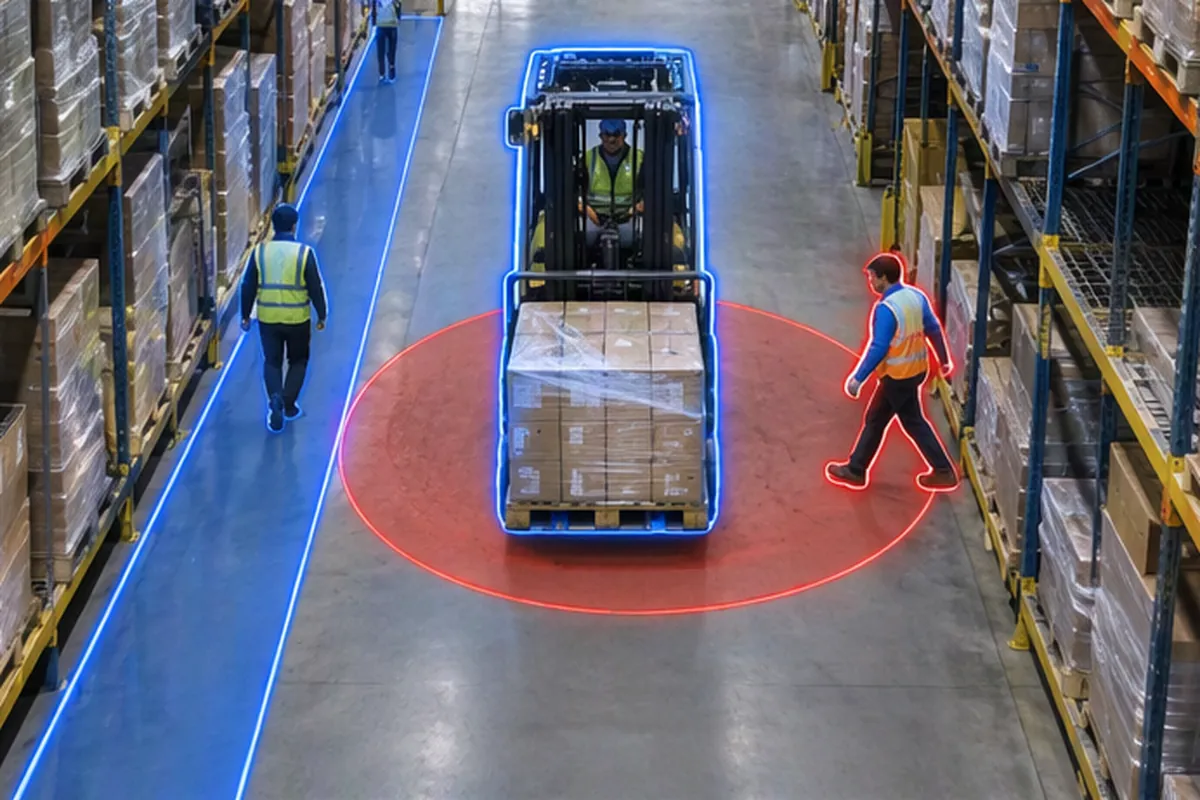
Vehicle and pedestrian proximity
Flags a forklift, truck or other mobile machine closing on a person on foot inside the separation distance you set.
- All site types

Mobile equipment detection is computer vision that watches forklifts, trucks, loaders and other moving machines around people on foot. It flags close calls, blind-spot entries, speeding, wrong-way moves and dock hazards the moment they happen, on the cameras that already cover your aisles, yards and roads.
Mobile Equipment & Traffic covers 8 use cases in the SAFVR detection library: Vehicle and pedestrian proximity, Blind spots and reversing zones, Speed and direction rules, Vehicle exclusion zones, Parking and staging violations, Loading dock safety, Unsafe riding and seatbelts and Uncovered loads.
Vehicle and pedestrian proximity
Each use case runs on the cameras you already have, with zones and rules set for each camera view. Use cases marked Camera + sensor also pair the camera with an IoT sensor or wearable.
Flags a forklift, truck or other mobile machine closing on a person on foot inside the separation distance you set.
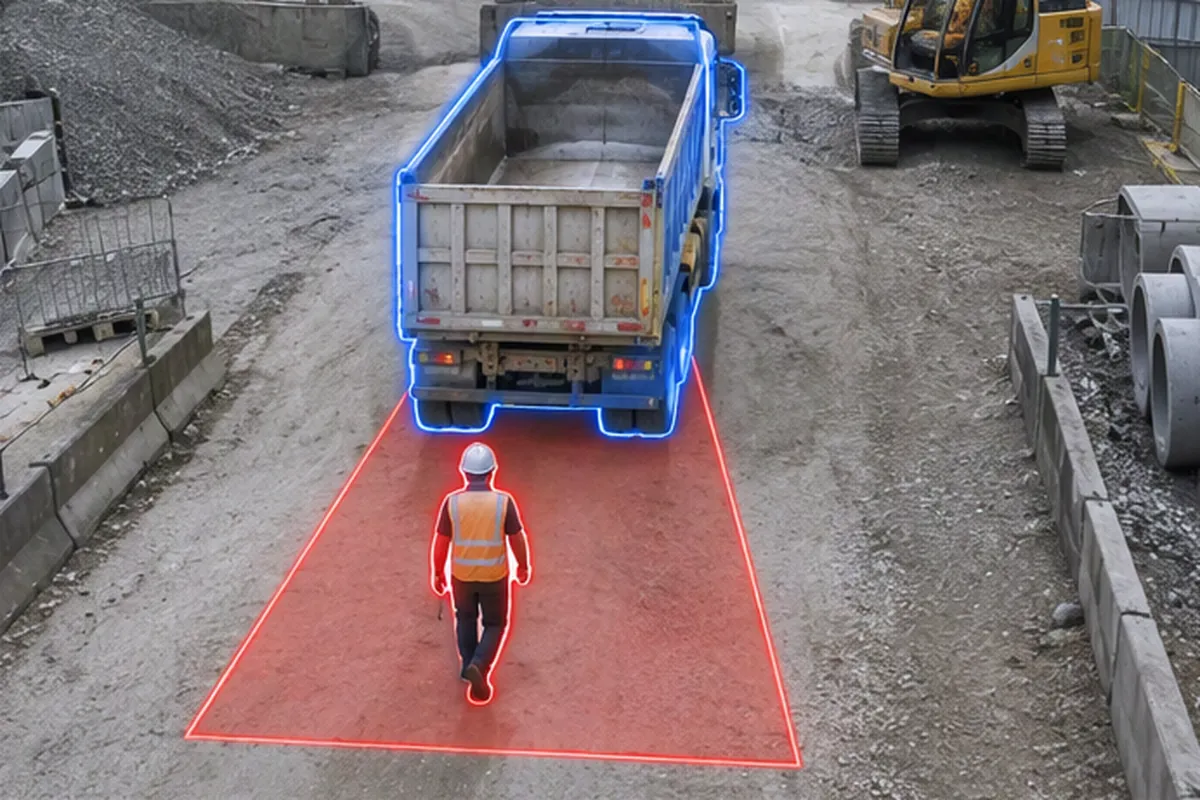
Detects people entering a vehicle's blind spot or reversing path, and reversing moves made without a spotter.
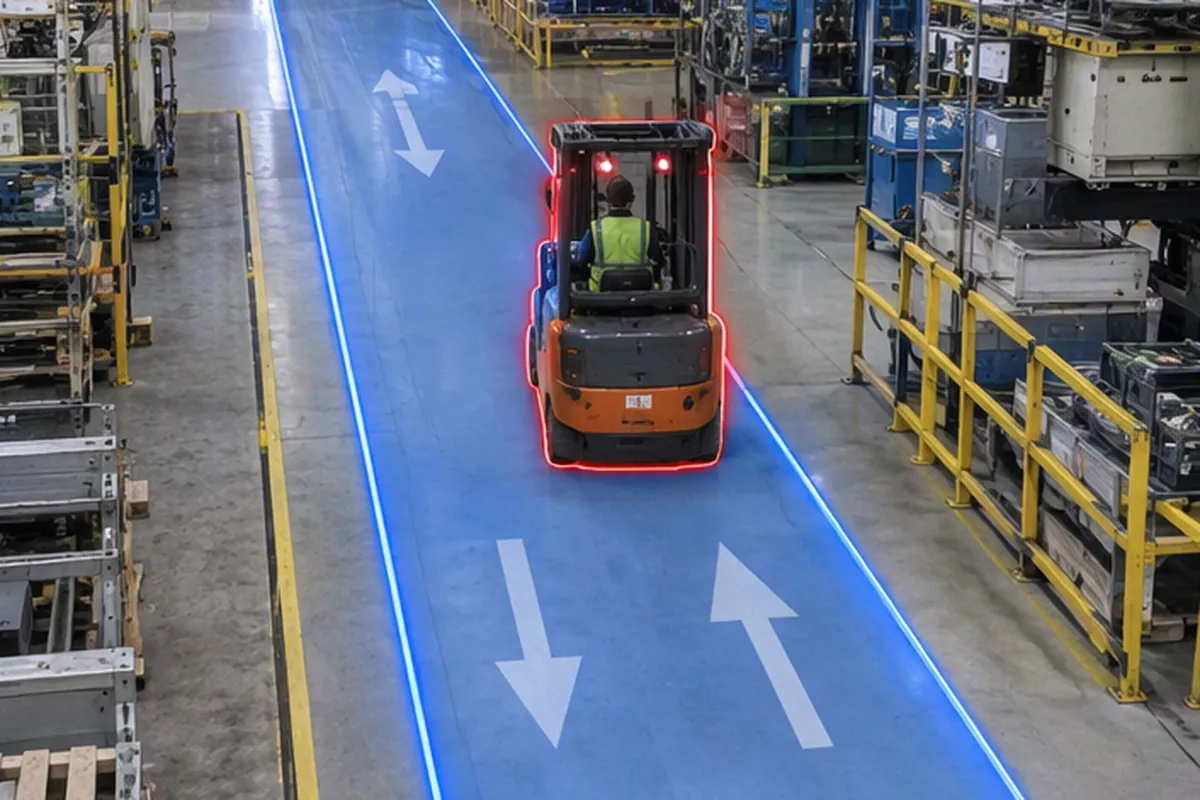
Catches vehicles over the site speed limit and traffic moving the wrong way down one-way aisles and haul roads.
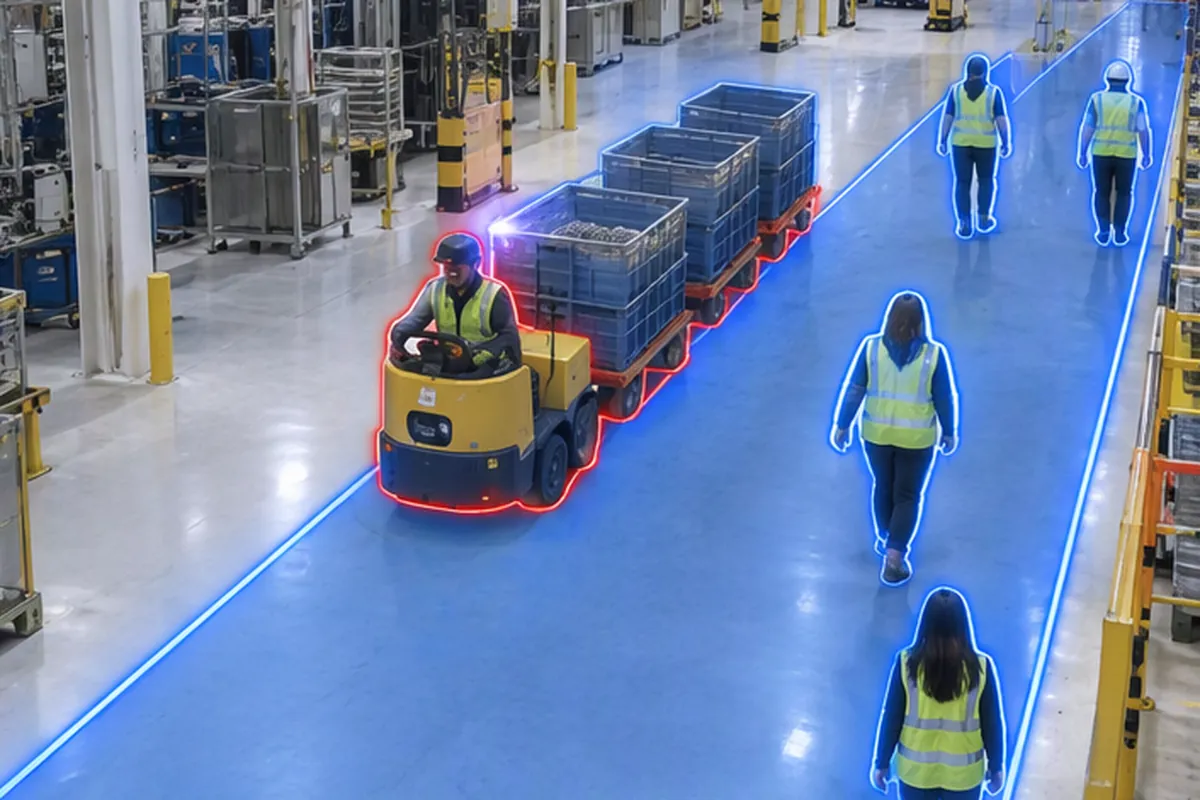
Alerts when a vehicle enters a pedestrian-only area, a process area or any zone you've closed to traffic.
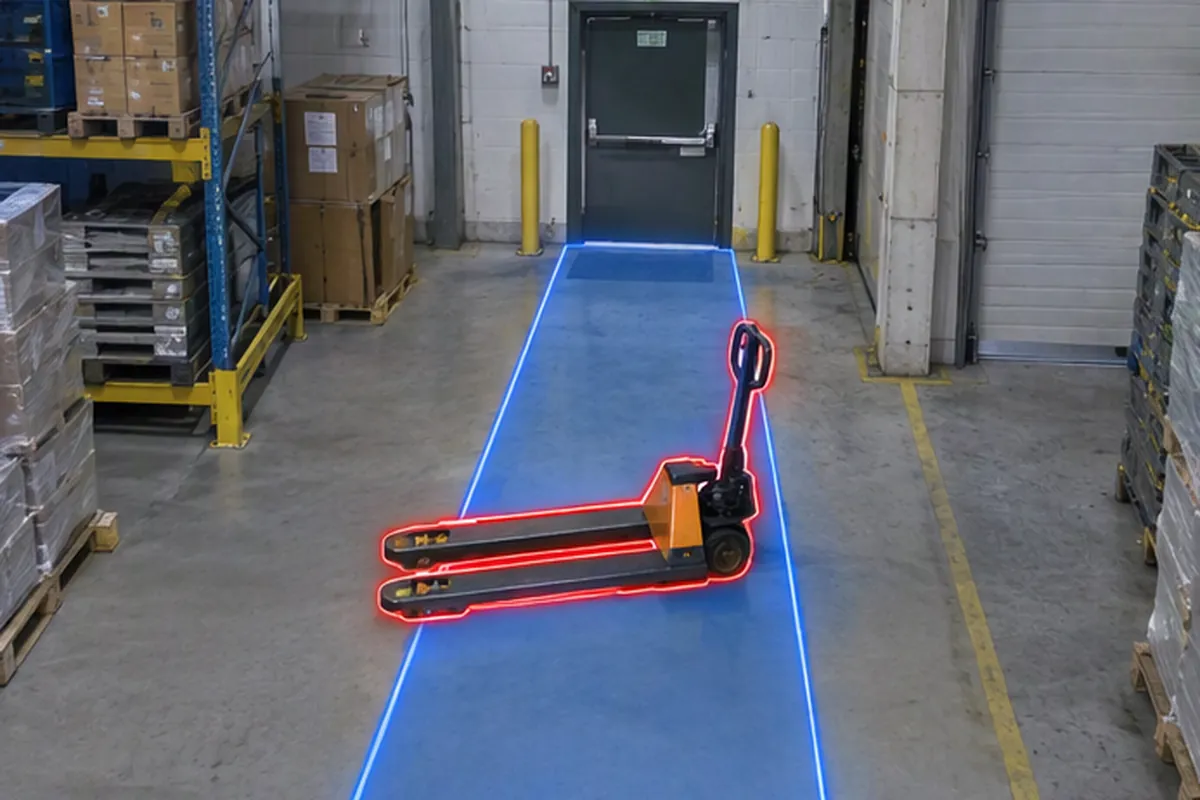
Spots vehicles, pallet jacks and trolleys left in no-parking zones, fire lanes or walkways.
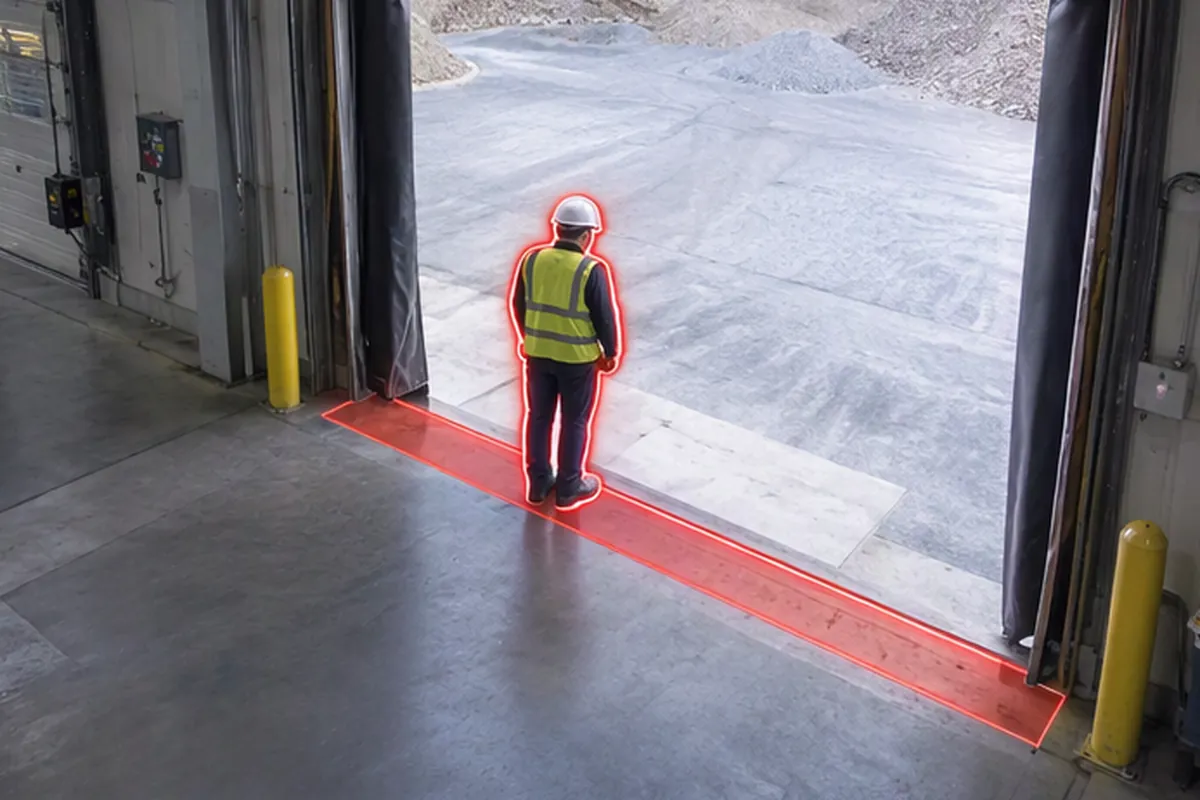
Watches open dock doors, trailer alignment, people at dock edges and anyone inside the trailer loading zone.
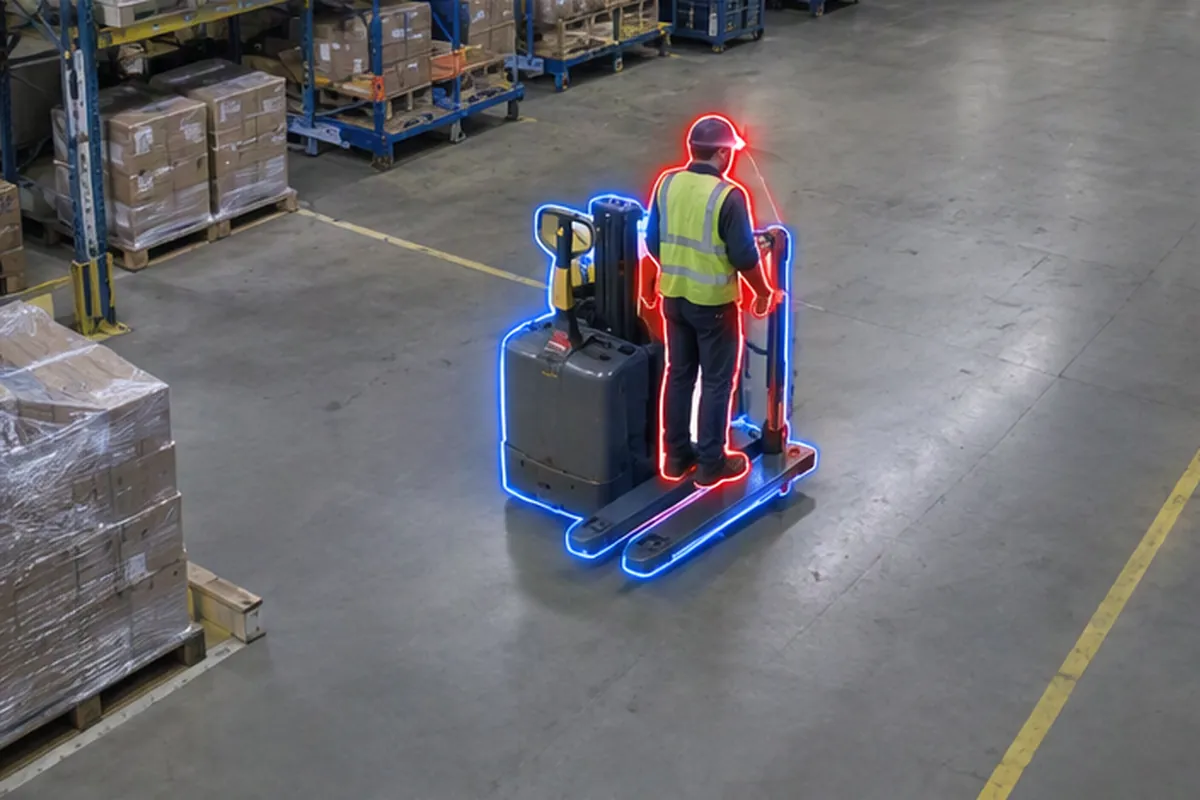
Flags people riding on forks or pallet jacks, and operators driving without a visible seatbelt.
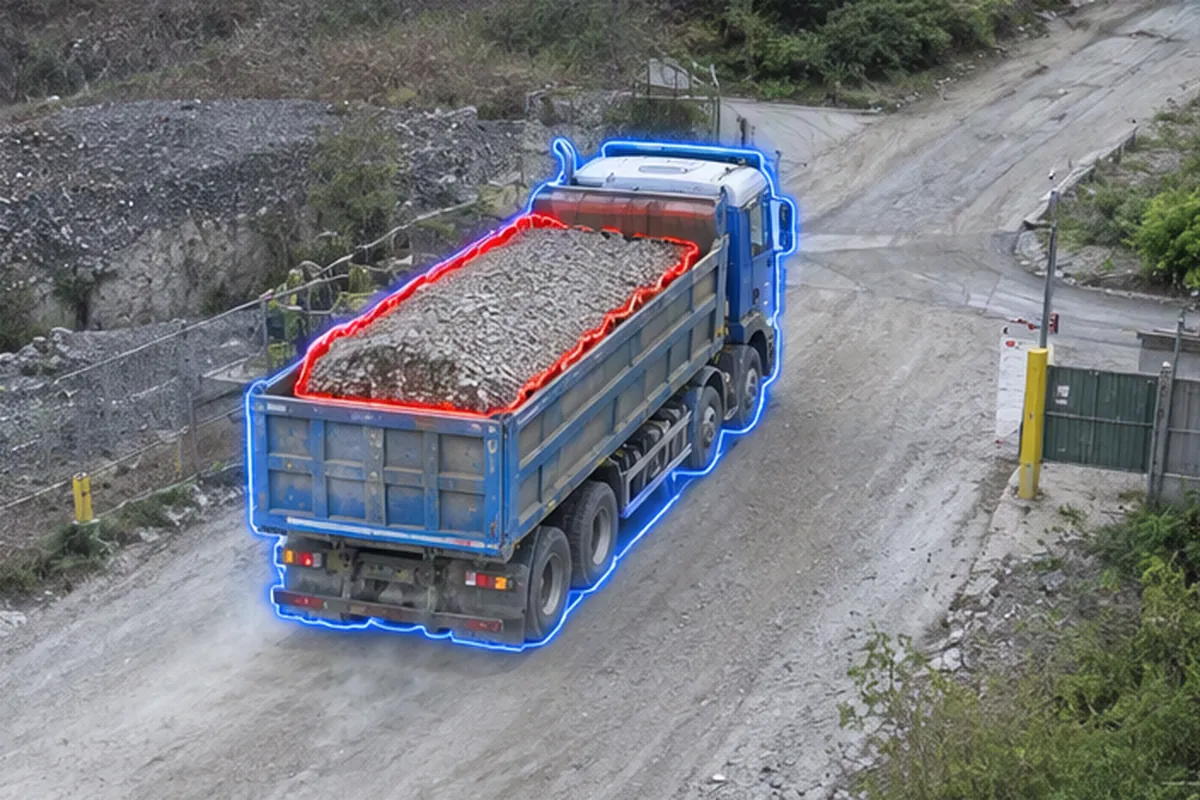
Flags dump trucks and tippers leaving site without a tarp over the load.
Contact with moving vehicles is one of the most common ways people get seriously hurt at work. Floor markings and route plans only help if people follow them, and near misses rarely get reported.
Separation distances, one-way systems, speed limits and dock procedures are written into most site rules. Continuous detection shows whether they hold on every shift, not just on audit day.
Every event is logged with a location and time, so you can redesign routes, crossings and dock layouts where conflicts cluster.
The same use cases read differently on each kind of site. Open a site type to see how they apply there.
Forklifts and tuggers feed lines through busy aisles. AURA watches line-side drops, crossings and blind corners where pedestrians and trucks share space.
Forklifts, reach trucks and pallet jacks share aisles and docks with pickers. Proximity, speed, direction and dock checks cover the most common struck-by scenarios.
Tuggers, AGVs and forklifts run tight delivery loops beside assembly lines. Proximity and direction rules keep line-side deliveries clear of operators.
Coil trucks, loaders and scrap haulers move through yards and bays with poor sightlines. AURA flags people inside their paths and blind spots.
Excavators, dump trucks and telehandlers reverse and swing across a layout that changes every week. Blind-spot and reversing zones move with the plan.
Haul trucks and excavators dwarf the people around them. AURA watches haul roads, loading points and reversing areas for anyone inside a vehicle's danger zone.
Tugs, belt loaders, catering trucks and buses all work around the aircraft on the apron. AURA flags ground equipment closing on ramp staff and vehicles breaking stand rules.
Pallet trucks and tuggers move material between warehouses and production. Vehicle-free zones protect clean areas and busy corridors.
Tankers, cranes and service vehicles move through terminals and plants. Exclusion zones keep traffic out of process areas and away from people on foot.
SAFVR for EnergyEvery use case runs inside the AURA loop. A detection is only the start: the value comes from what happens next.
AURA watches each camera for the use cases you switch on, with zones, lines and rules drawn for that view.
Detect on the platformAlerts reach the right person with a snapshot and clip, and become tracked actions that get closed out.
Act on the platformEvents feed micro-training and toolbox talks built from your own footage, so lessons stick.
Improve on the platformTrends by area, shift and task show where risk is building, so you can fix it before the next incident.
Prevent on the platform6 use cases
8 use cases
8 use cases
8 use cases
9 use cases
11 use cases
11 use cases
9 use cases
7 use cases
8 use cases
5 use cases
READY TO SEE IT ON YOUR CAMERAS?
30 days. Your existing CCTV. Nine hazard categories live on day one — PPE, fall risk, vehicle proximity, restricted zones, and more. You see real detections from your floor before you commit to anything beyond the pilot.
No new hardware. Existing IP cameras work. Setup in days.